
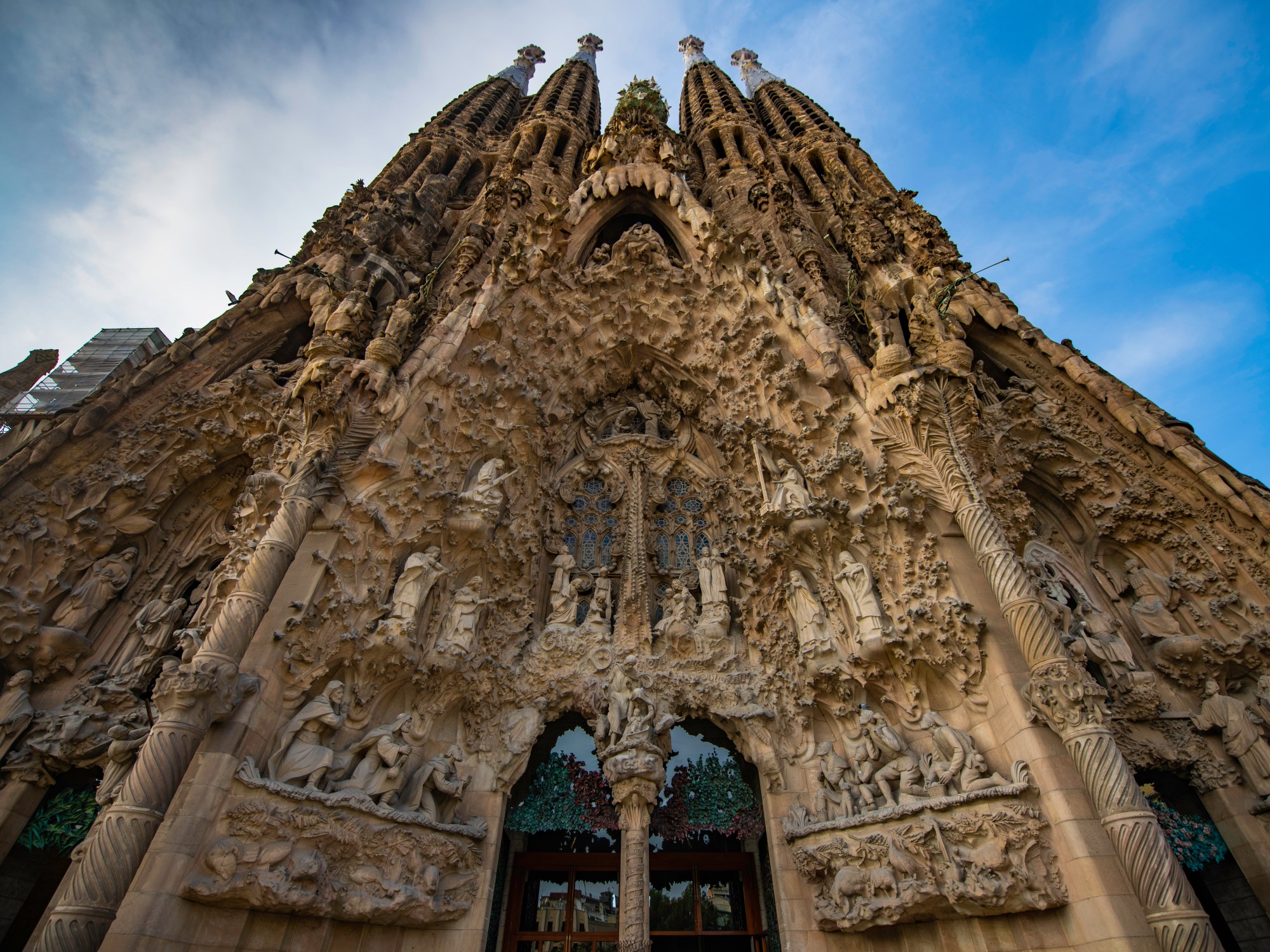
Antoni Plàcid Guillem Gaudí i Cornet – the architectural genius known for perpetuating the Modernisme movement of building a contemporary society by rejecting outdated conventional ideals.
His vision can be seen in a whole host of fascinating properties in the city of Barcelona, with many of them today gazetted as UNESCO World Heritage sites for their outstanding universal value.
Here is a list of the must see works of Gaudí in Barcelona:
Casa Vicens
This is Gaudí’s first residential building in Barcelona.
It costs €8 to tour the compounds, including the house and the garden.
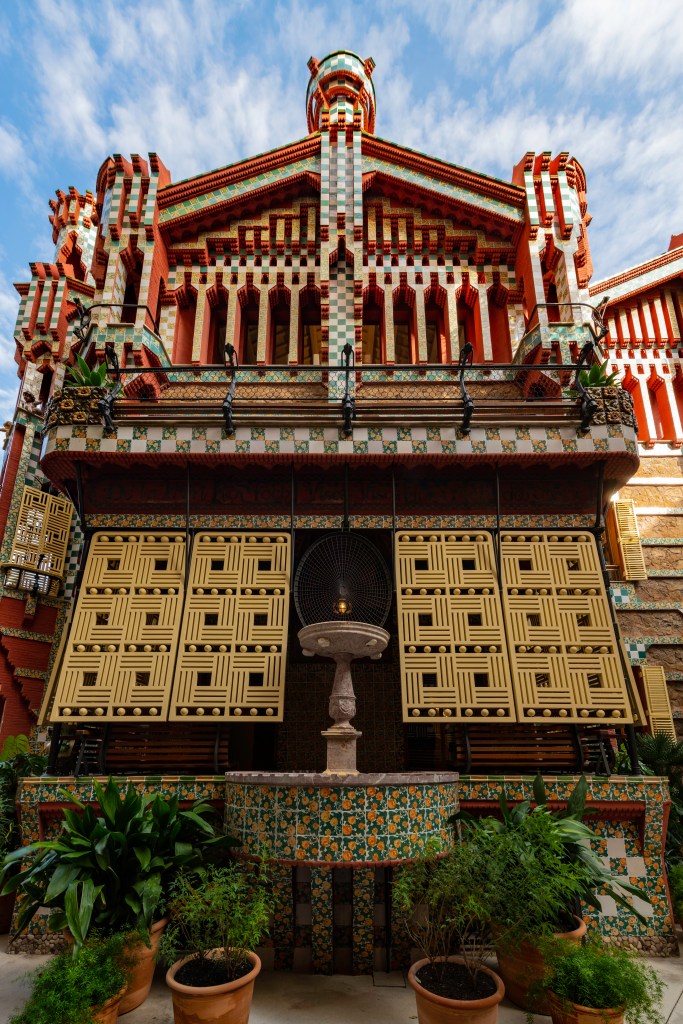
The Mudejar style (blending of Moorish and European styles) is employed to perfection in the design of this house. Catalan, Islamic, Oriental and English influences come together in harmony.
Going contrary to conventional building techniques, ceramic tiles with French marigold motifs have been applied on the exterior walls and Graffiti (wall paintings) on the interior walls.
From the garden, beautiful wooden doors open into the entrance hall.
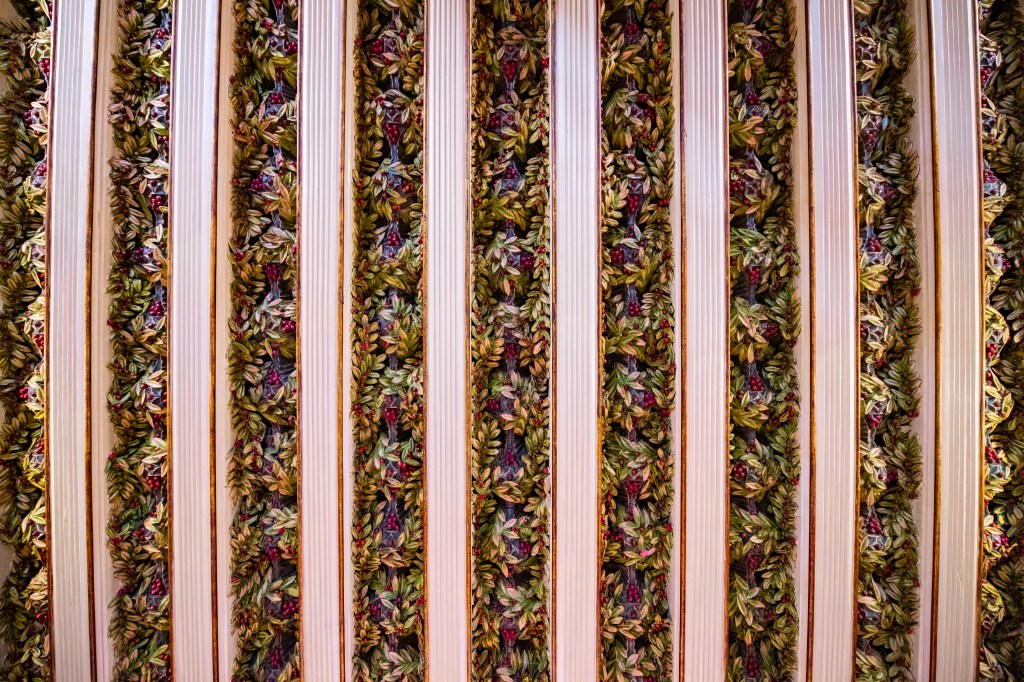
This is connected to the dining room, where foliage painted on the walls twines upwards, leading to a mesmerising wooden latticework on the ceiling.
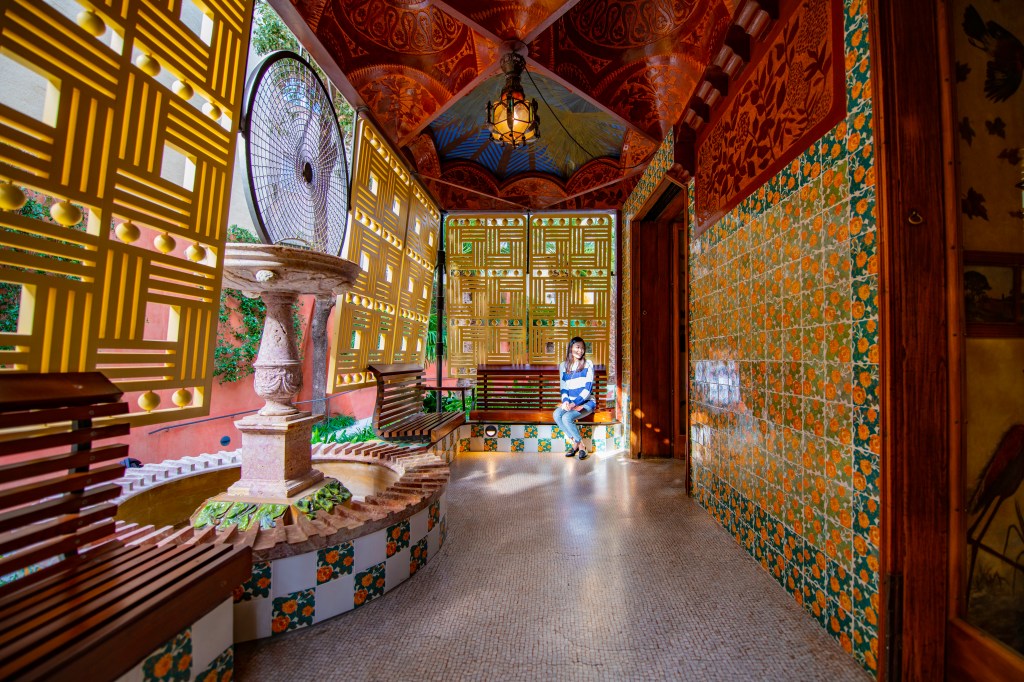
My favourite area in this summer residence is the covered porch.
The porch visually connects the house to the garden and provides excellent ventilation.
It is enclosed enough to be cosy and to keep out wind and rain, yet open enough to let in warm rays of sun and a gentle breeze.
Benches form part of the ‘walls’ separating the porch from the garden.
On the upper floors is an exhibition showcasing Gaudí’s early life, his inspirations, as well as little known facts about Gaudí (like the fact that he only achieved the minimum passing grade for the final project of his architecture degree).
Gaudí was partly inspired by the works of other architects as well – such as the writings and illustrations of Eugene Viollet-le-Duc which presented many decorative elements inspired by nature.
This was manifested in Gaudí’s use of flora patterns throughout the house.
Many of the building styles found in the Casa Vicens would follow Gaudí to his subsequent repertoire.
Palau Güell
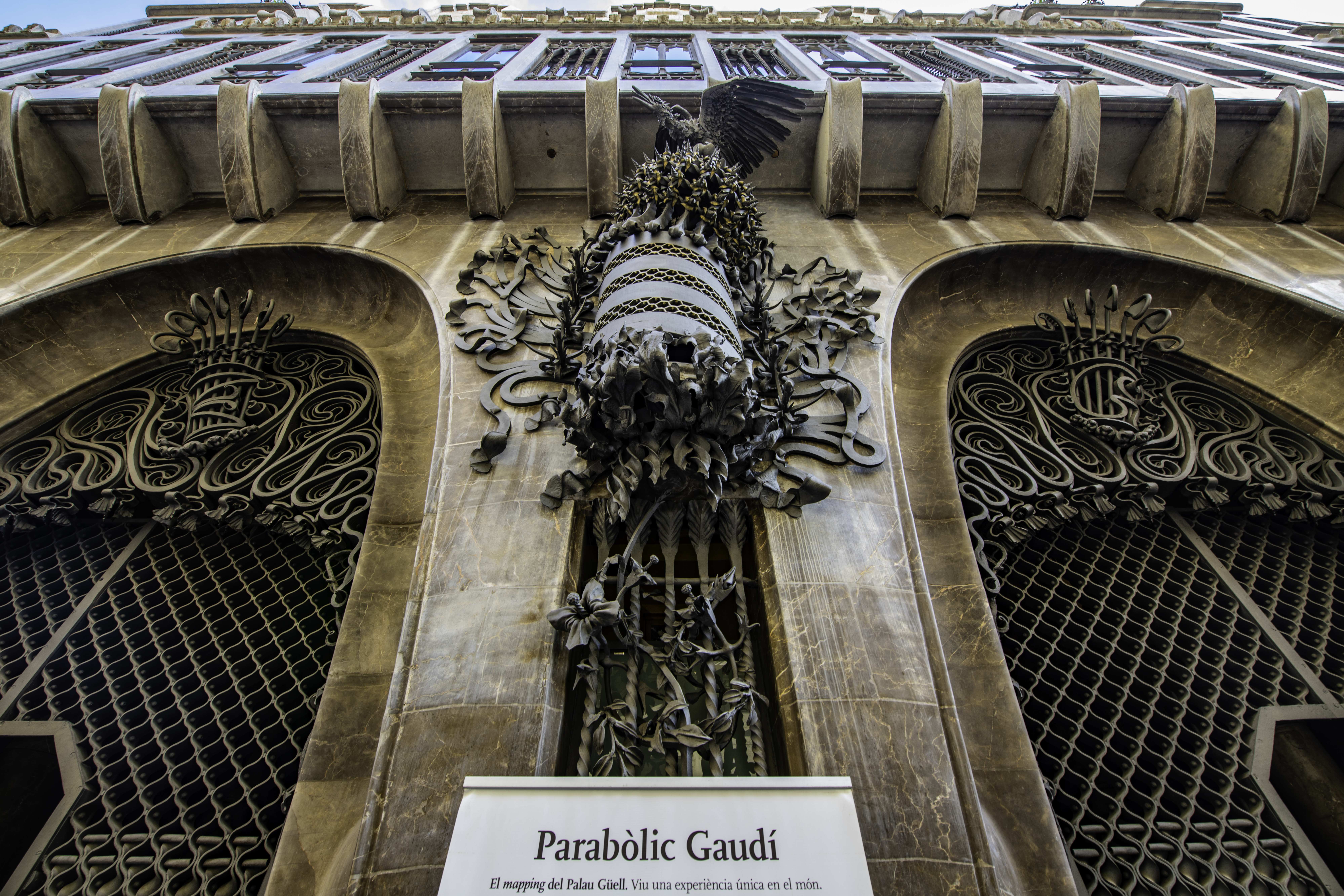
Palau Güell is also a residential project, but on a much grander scale.
Higher operating and maintenance costs might explain the higher visiting charge of €12.
Gaudí was commissioned by Eusebi Güell, an industrialist and politician who later became one of Gaudí’s best friends, to build a family home.
In order to have a place of residence befitting of his wealth and stature, Güell expected a luxurious palace in which he could host concerts and exhibitions.
Once inside you’ll notice that the structure consists of many magnificent coffered ceilings and parabolic domes and arches, which appear consistently in all of Gaudí’s creations.
There are many elements employed both for design and function – benches often doubled up as partitions or railings.
Part of Gaudí’s design aesthetic was to create a sense of openness despite the not very large space.
He does this by using lightly coloured stained glass to allow natural light into the house.
The central hall is also very well lit. It is topped by a cupola covered with hexagonal marble slabs, and strategic omission of some pieces allows light to stream into the room and creates an illusion of stars in the sky.
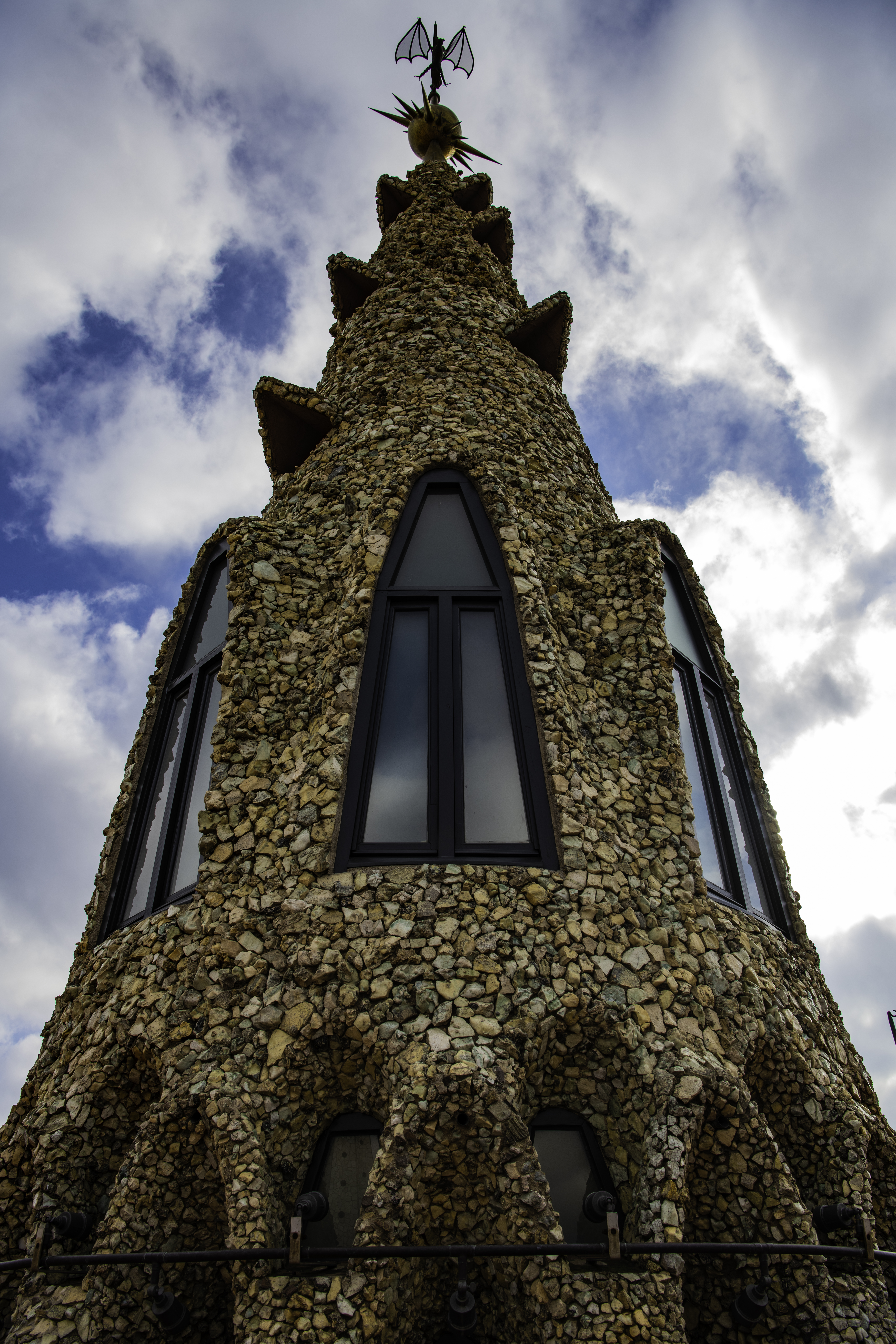
On the roof terrace we see traditional chimneys for fireplaces being creatively replaced by polychrome (glass, ceramic, marble) sculptures; which appear also in his later works such as the Casa Batlló and the Casa Milà.
Park Güell
You can enjoy most of the park for free but if you would like to visit the main building and the pavilions it will cost €8.50.
The park Güell was not originally meant to be a park. Güell and Gaudí envisioned this project to be an organised community of artistically designed high-end residences equipped with modern amenities.

This house was a model for the other houses that were to be built within this estate. Gaudí himself lived in it and it is now a museum dedicated to him.
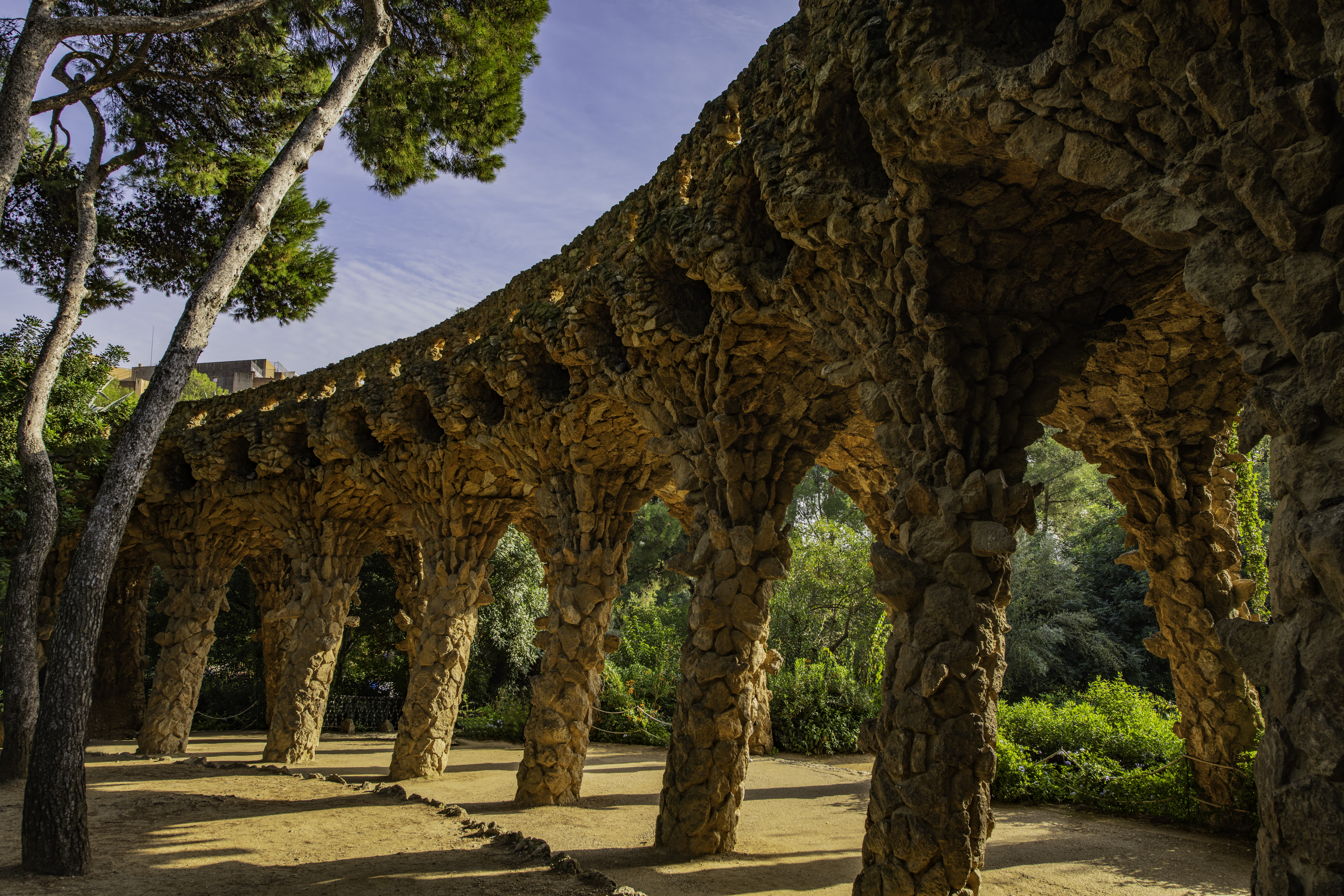
One of the most outstanding features of the park is the integration of architecture with nature.
For example, the walkway arches resemble the pine trees of the park.
In order for the man-made structures to blend in with their natural surroundings, they were constructed using rocks quarried from within the area.
Casa Batllo and Casa Mila (Passeig de Gràcia)
Whether you’re shopping or just taking a leisurely stroll down the Champs-Élysées of Barcelona, it’ll be worth your while to take a moment to appreciate these two buildings.
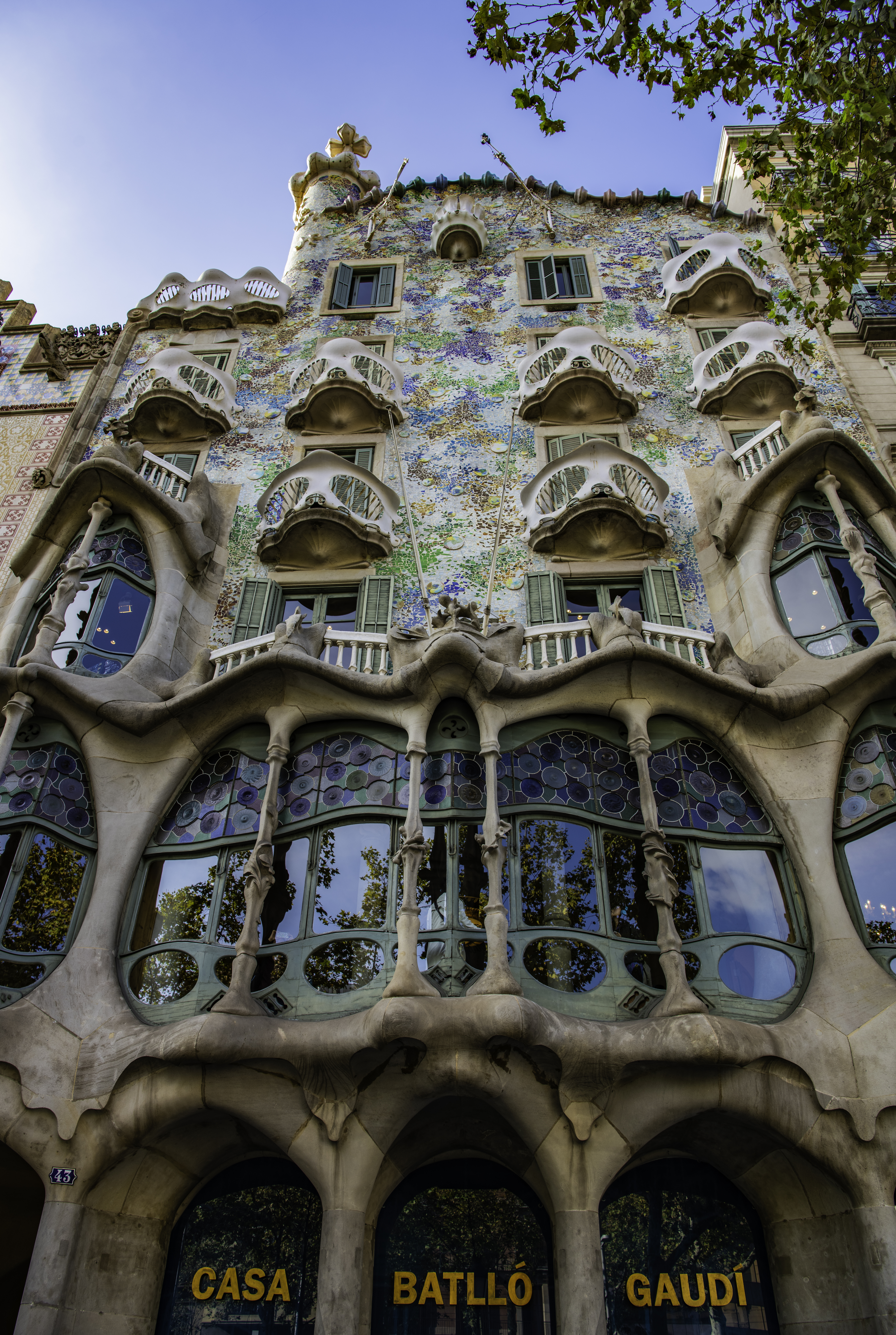
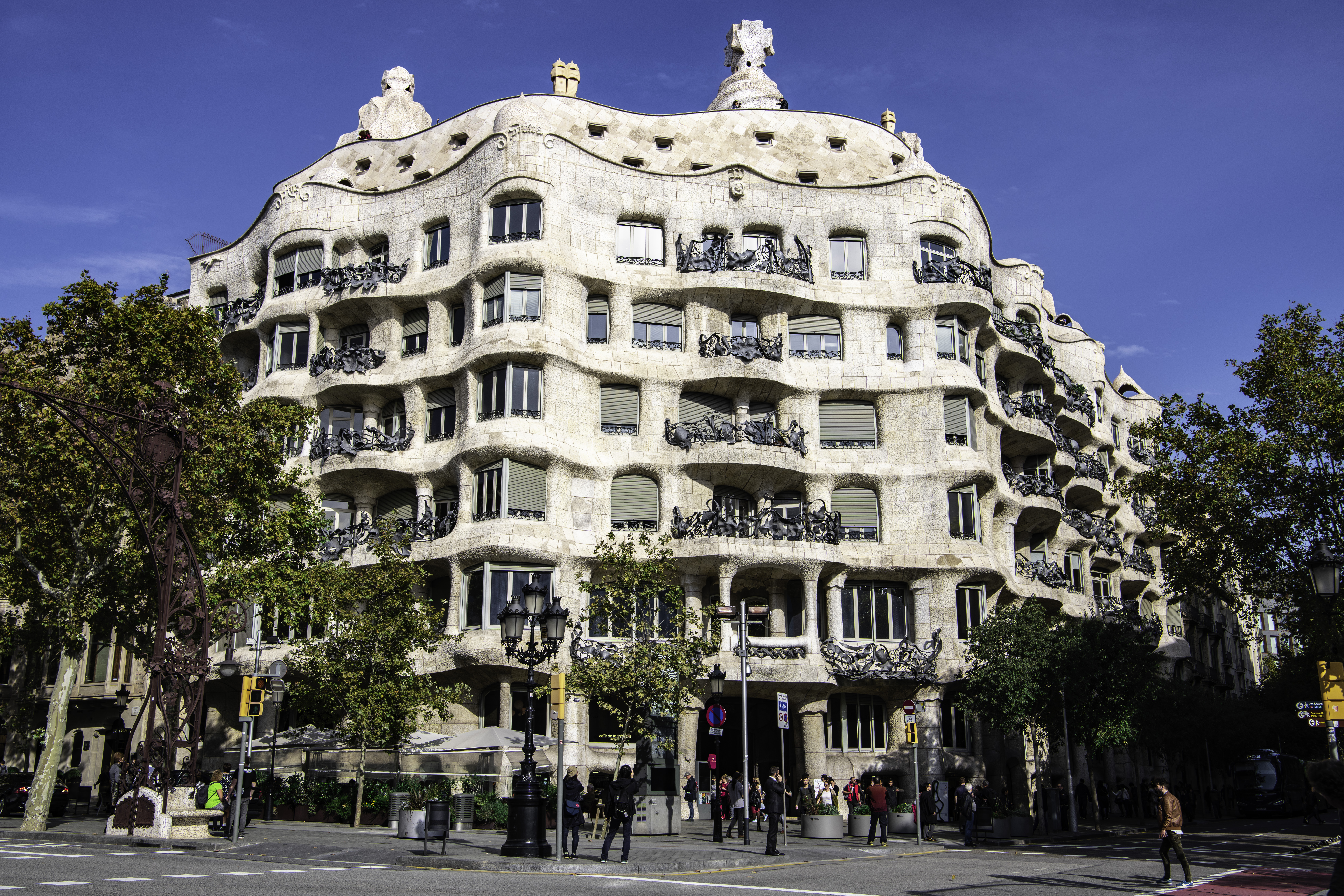
Their facades emblematise the signature Gaudínian style – avoiding the use of harsh straight lines; opting instead for curvy fluid forms which are avant-garde even now, so I can’t imagine how astounding it must have been for the 20th century Barcelonians.
Sagrada Família
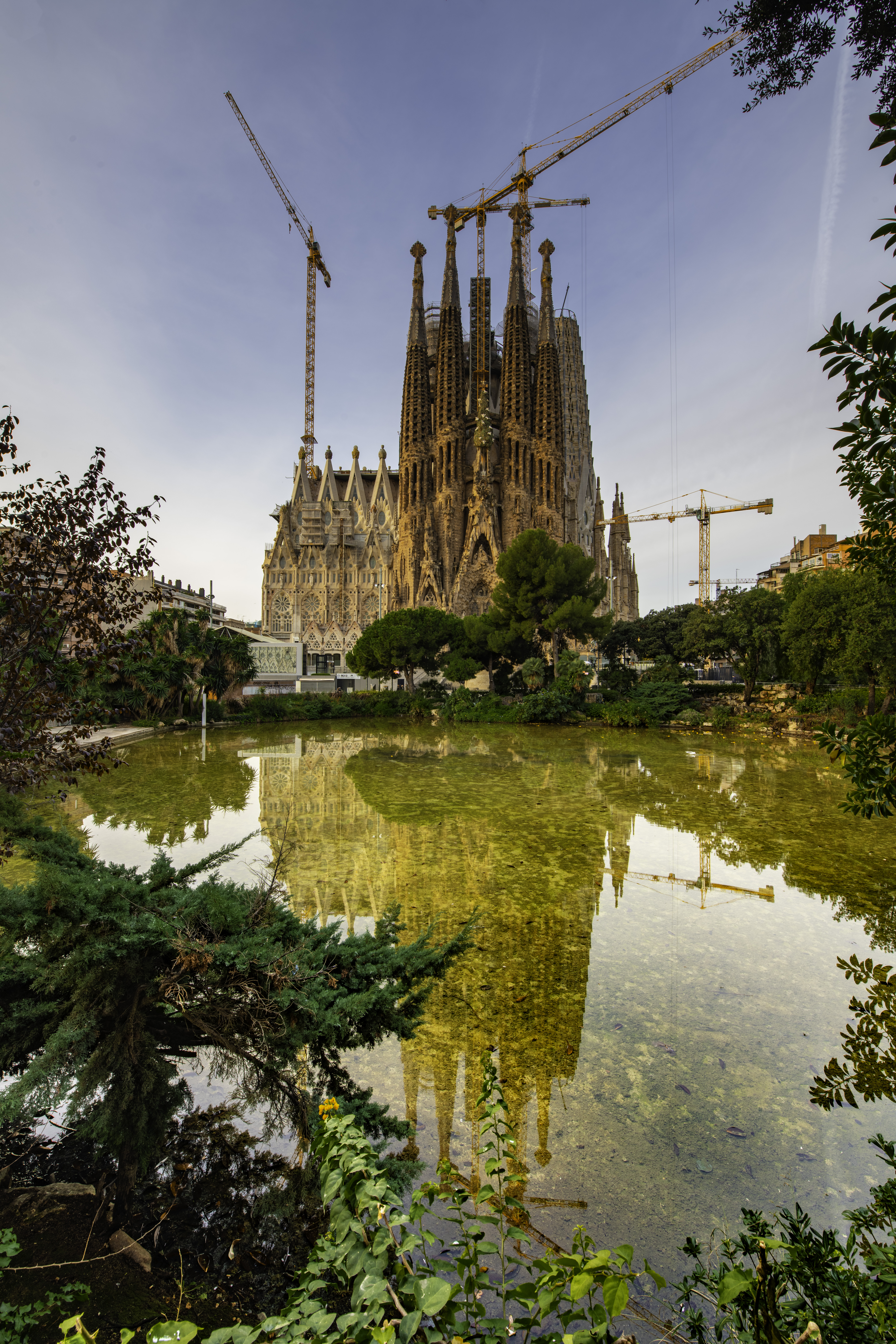
Finally, the world renowned Sagrada Família – an architectural and construction marvel advancing beyond Gaudí’s death in 1926, and until today endeavours to stay true to his original vision.
The entrance fee of €15 goes towards ongoing constructions which costs a hefty €25 million a year.
The Sagrada is vastly different compared to other Roman Catholic Churches from anywhere else.
Once inside, you’ll feel like you have been transported to a different world.
Staying true to Gaudí’s approach of drawing inspiration from nature, the columns leading up to the roof in the nave are designed to look like trees and branches.
Gaudí said, “Sunshine is the best painter.”
And with that he offered the stained glass of the building as a tribute for sunlight to work its magic.
Mainly green and blue hues are installed on the Nativity side and orange and red on the Passion side.
The result is a symphony of colours, gradually changing depending on the hour of the day.
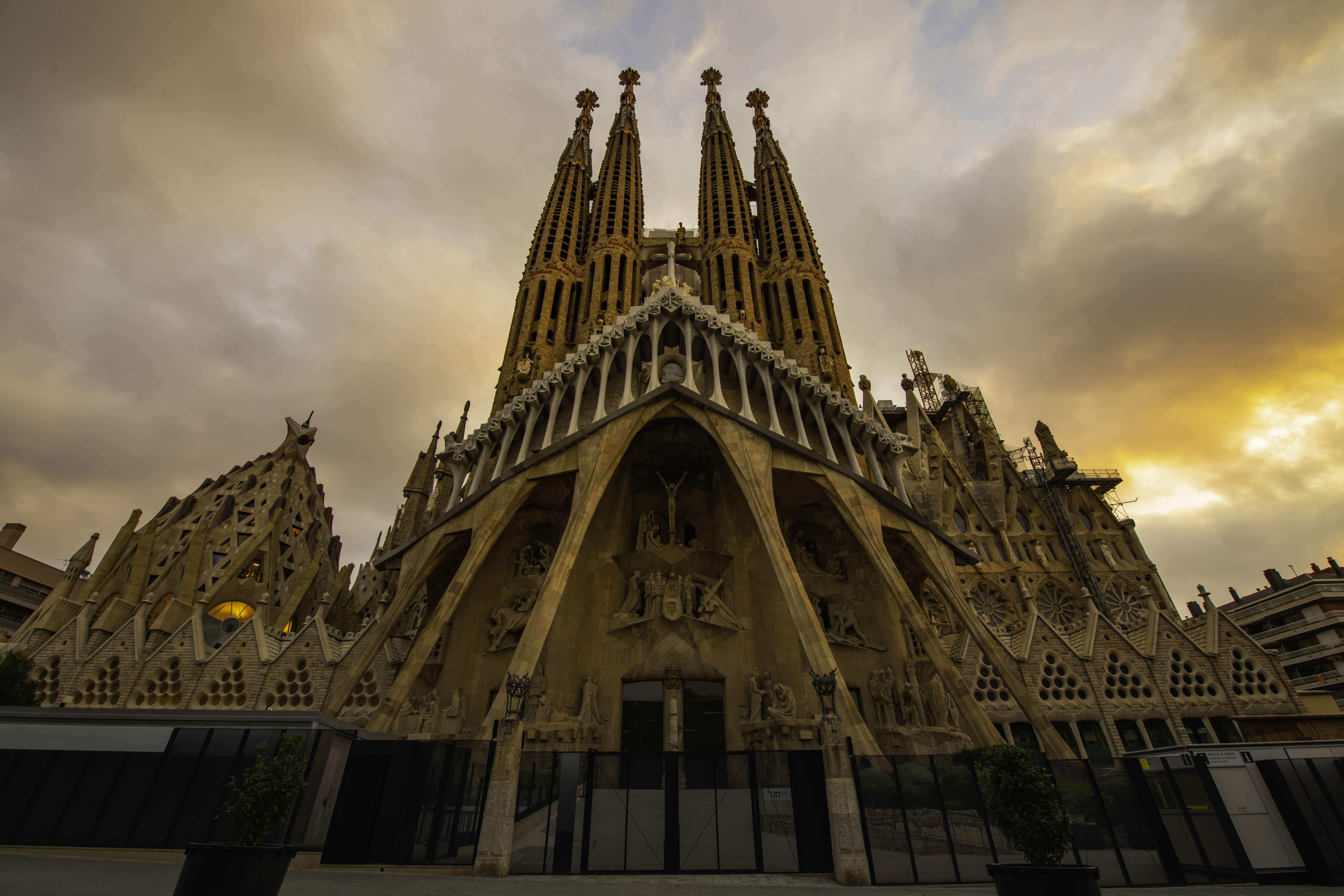
This Church will have three main facades – each one representing one of the three central events of Christ’s existence.
Everywhere you look there are intricate carvings and sculptures bearing great biblical symbolism.
The Nativity facade, portraying the birth of Christ, bears the most Gaudí influence. It was his intention to have at least this facade completed as an embodiment of his artistic inspiration for this masterpiece, so that his successors would have a reference for completing the rest of the job.
The Passion facade, depicting the death of the Son of Man on the cross for the salvation of all mankind.
In comparison with the Nativity facade, the Passion facade is austere and hard, intended to portray the suffering of Jesus during the crucifixion.
And the yet to be completed Glory facade, which is dedicated to the Glory of Jesus and will represent one’s ascension to God.
The towers of this facade should be the tallest when they’re completed.
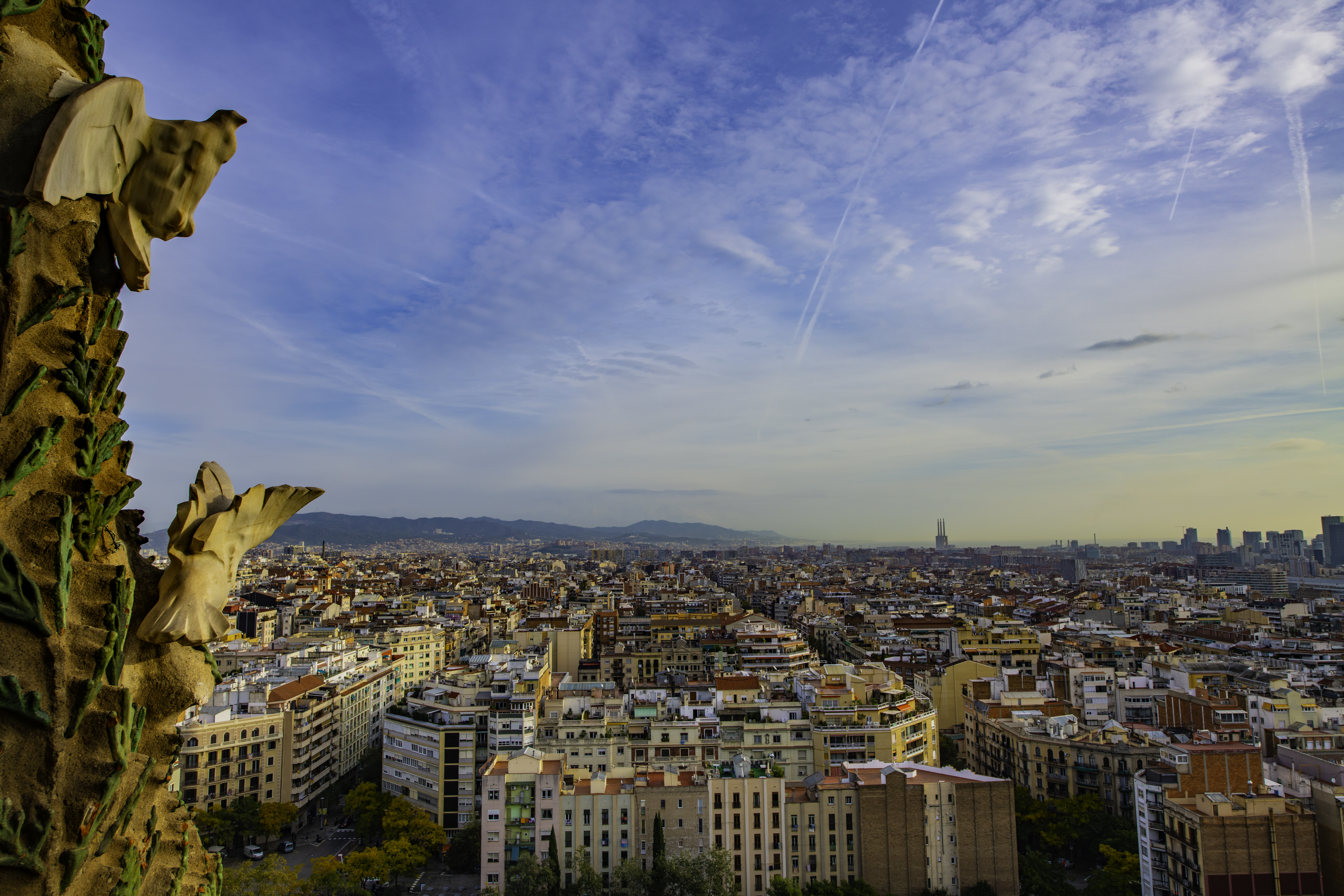
During our visit we also climbed the Nativity tower.
Due to the narrow design of the tower and windows, the views over Barcelona are quite restricted, but you can still step out onto one of the balconies along the tower to get a better look.
When completed, the congregation of towers are said to facilitate acoustic propagation, and the whole building will act like a gigantic church organ.
From here, music from the church can emanate and resound across the beautiful city of Barcelona.

 Voyage Grande