
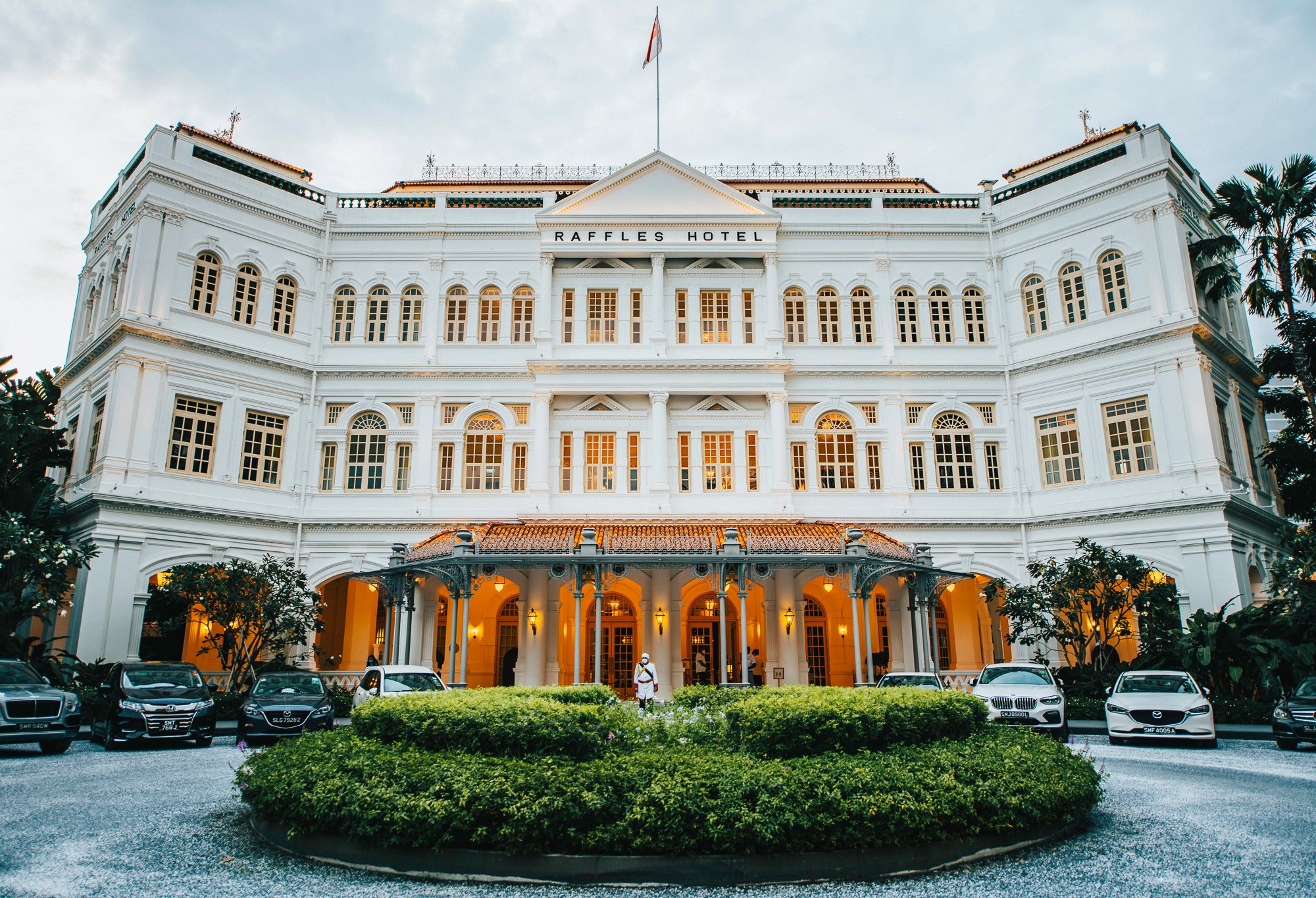
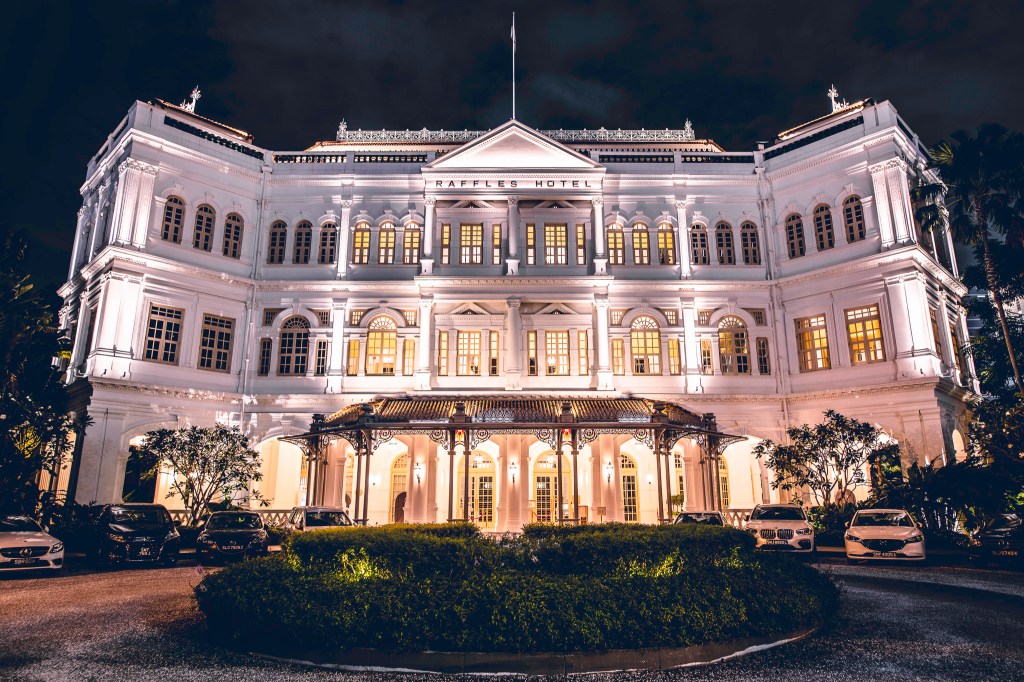
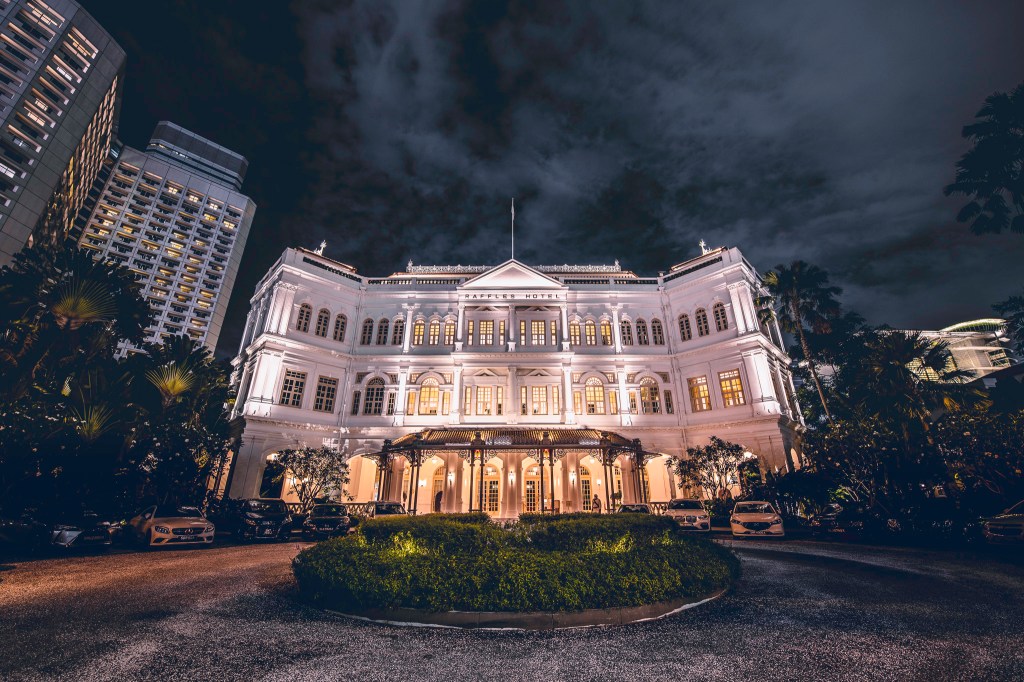
This grand old dame started out as a 10-room beachfront bungalow in 1887 and has witnessed the transformation of the entire Marina and Marina Bay district.
Today, it is a 115-suite establishment which has been gazetted by the Singapore government as a National Monument.
The most recent refurbishment was completed in 2019 – integrating modern technology and comfort to the suites while still retaining the old-fashioned luxurious vibe complete with a cosy living parlour, a charming four-poster bed and an ornate freestanding tub.
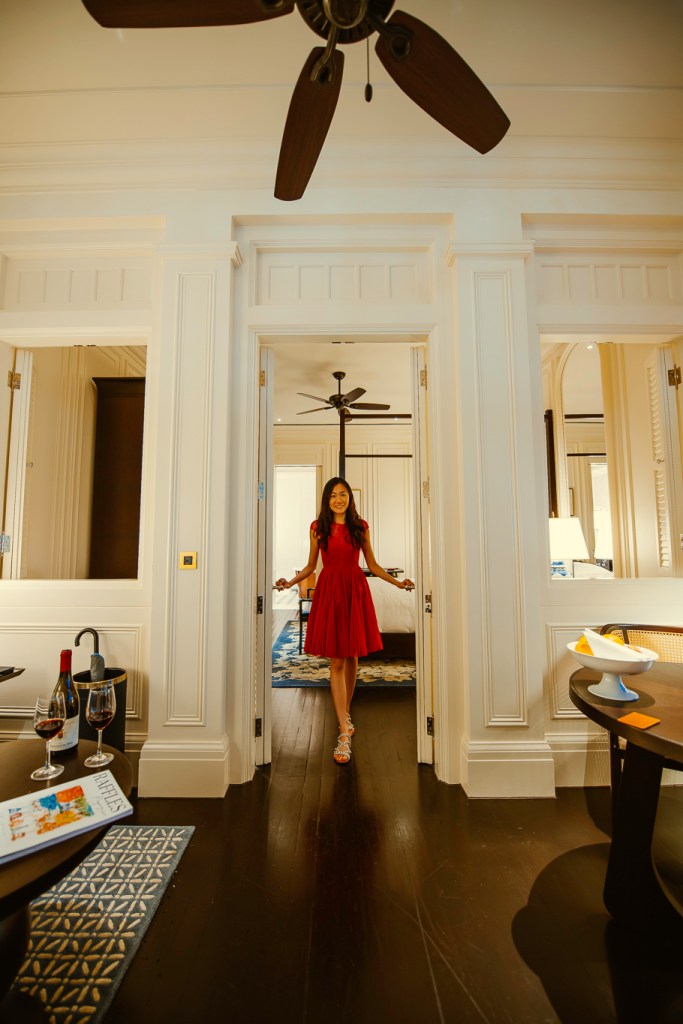
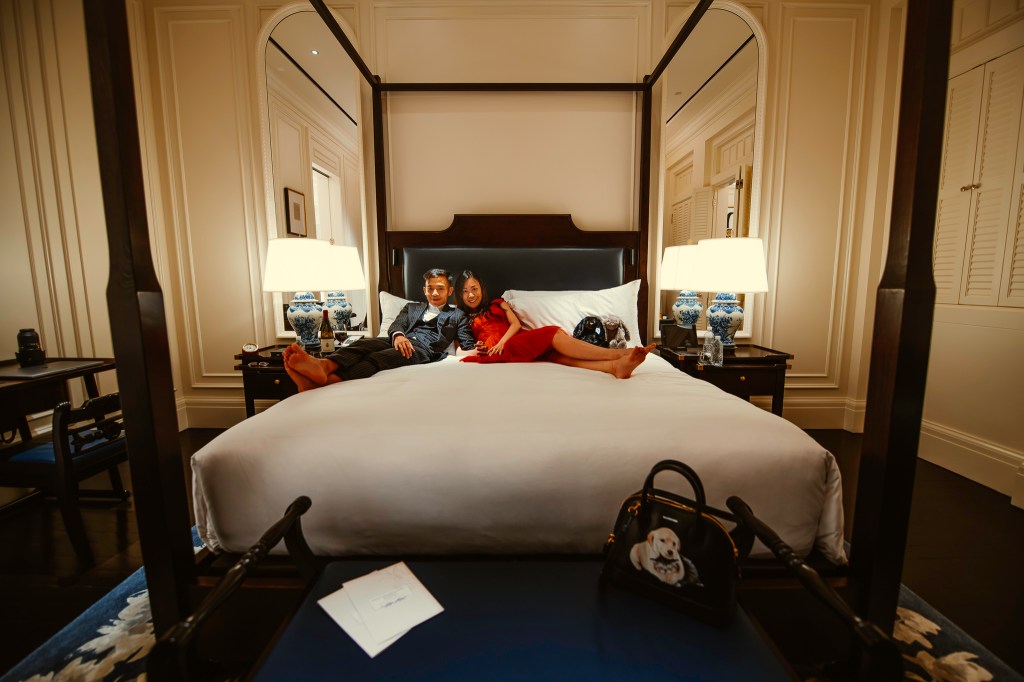
Here are 3 reasons why no trip to Singapore would be complete without a visit to the Raffles Hotel.
The History
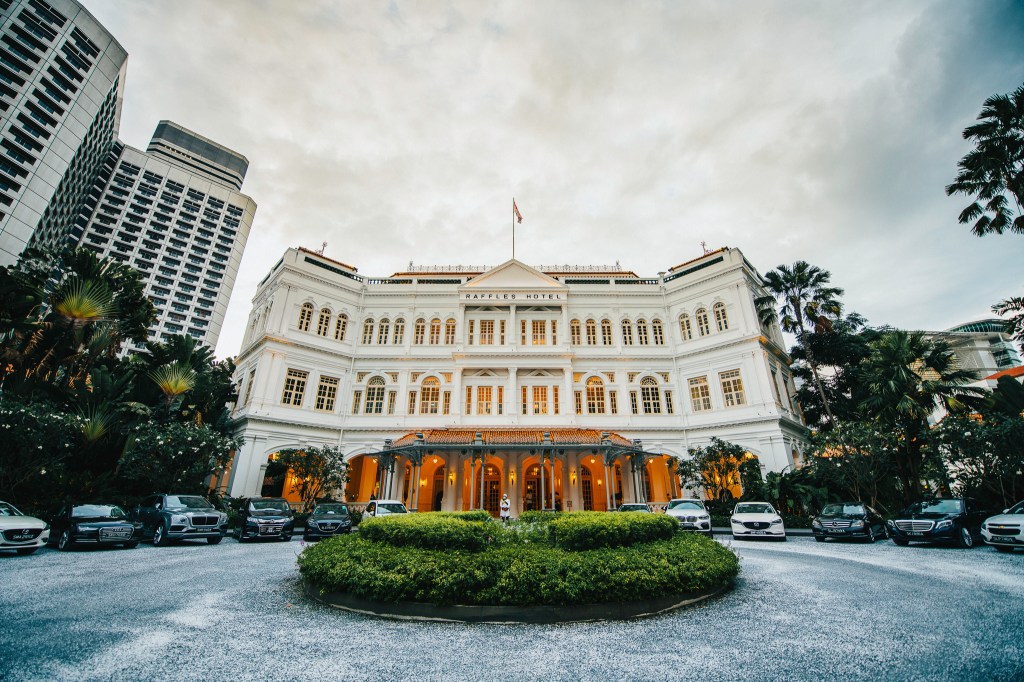
Pulling into the pebbled driveway, you will be immediately captivated by the stately entrance facade and inviting palm trees waving gently in the wind.
The trees are a specific species of palm commonly known as the traveler’s palm – So named because this tree collects a lot of rain water in its hollow leaf bases and was a welcome sight for thirsty travelers in the past.
This palm is also the inspiration for the logo that most Singaporeans will be able to identify as the emblem of this iconic hotel. It was drawn masterfully by the artist with a single pen stroke.
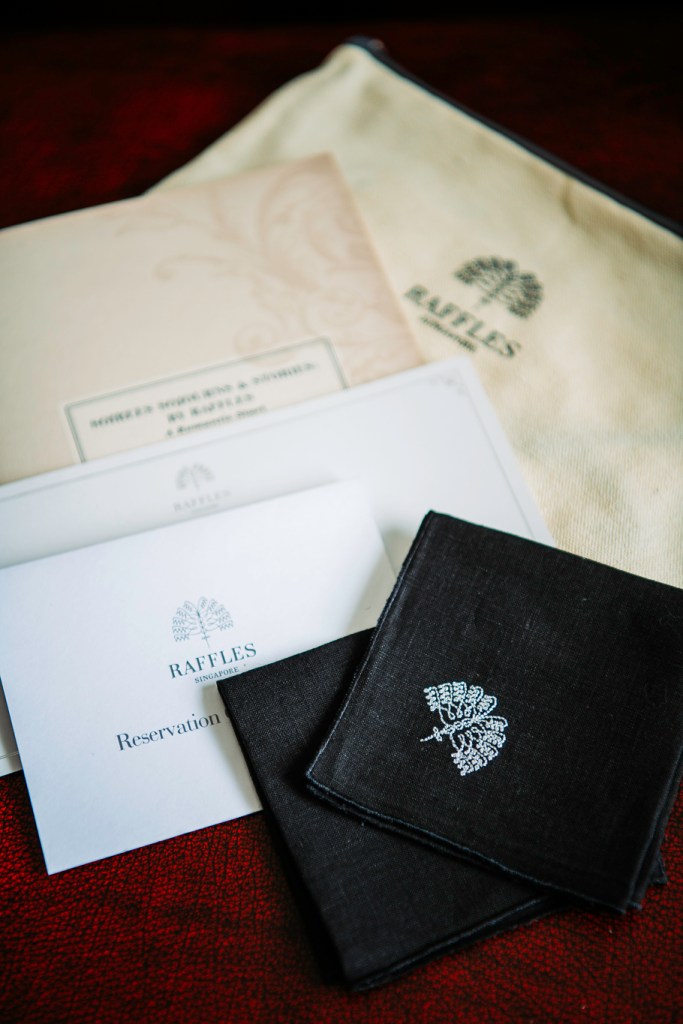
When staying at the Raffles Hotel, if your schedule permits, you should also sign up for the 1-hour history tour.
The hotel has its own team of Resident Historians who will take you on a tour of the grounds and offer fascinating nuggets of information about the antiques displayed around the hotel, which will give you a deeper insight to the rich history of this place.
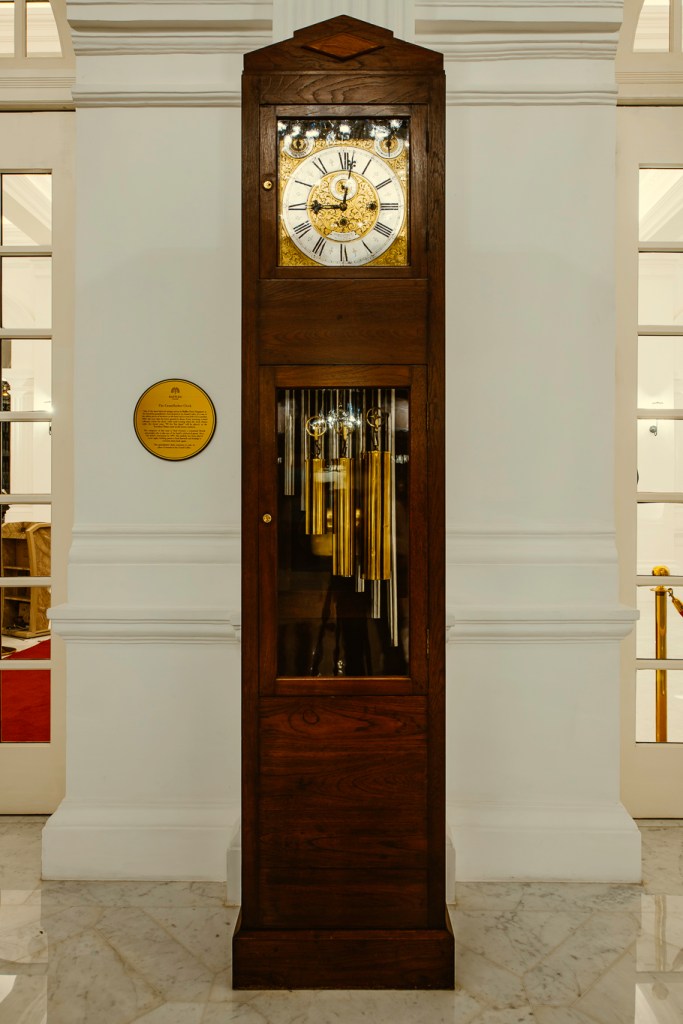
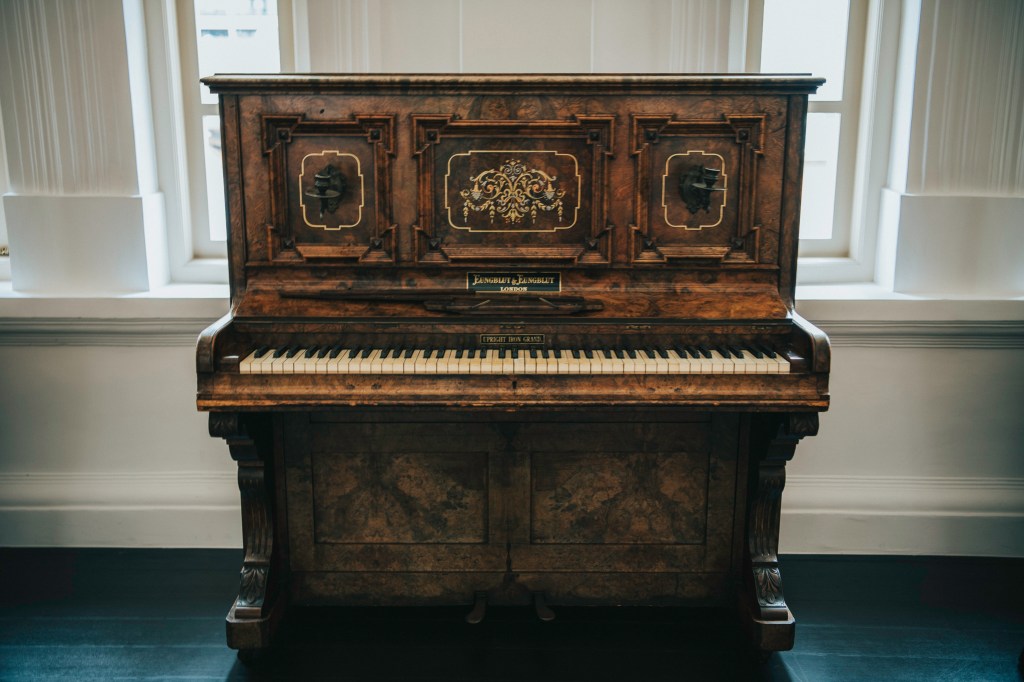
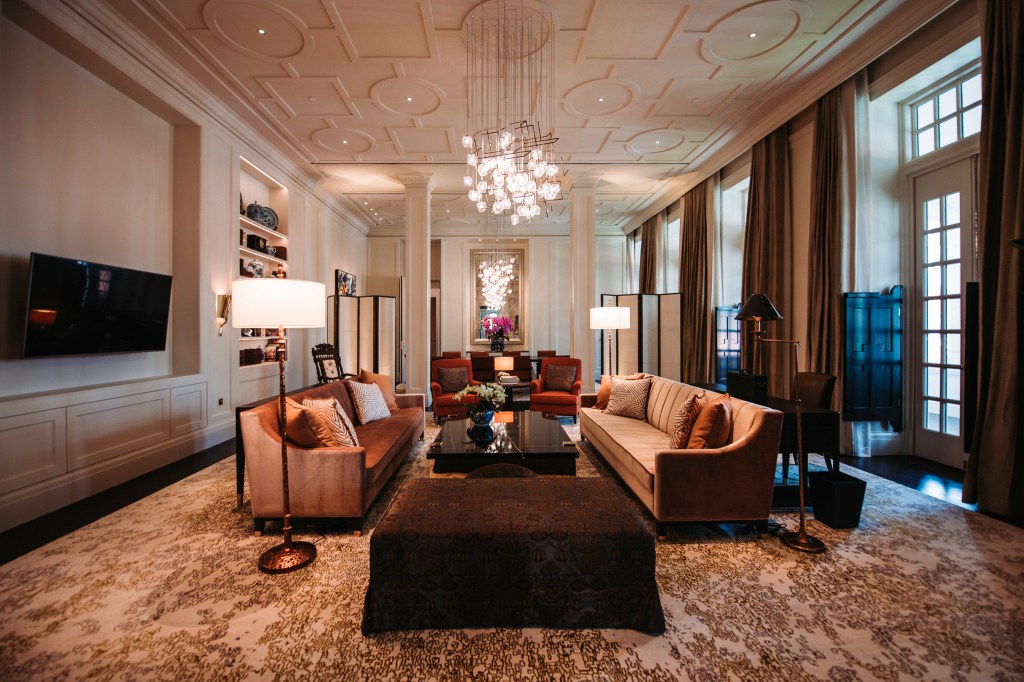
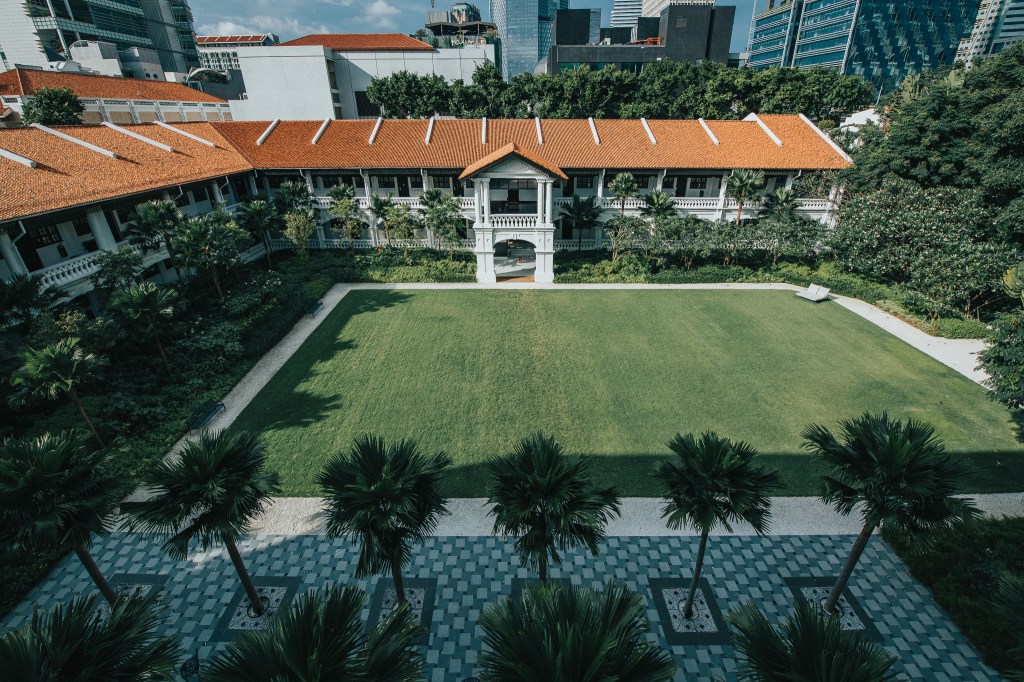
During the tour, you’re treated to a peek into the Sir Stamford Raffles Presidential Suite. With opulent furnishing and commanding views of the courtyard and the city beyond, it is no wonder that this suite has hosted many celebrities and dignitaries.

The Ambience
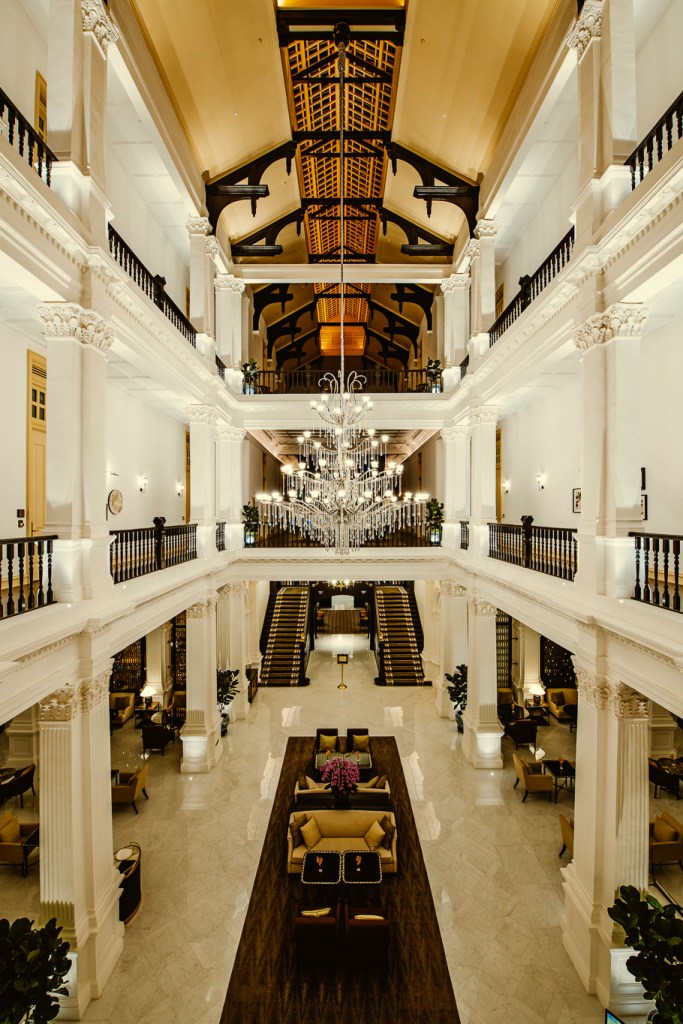
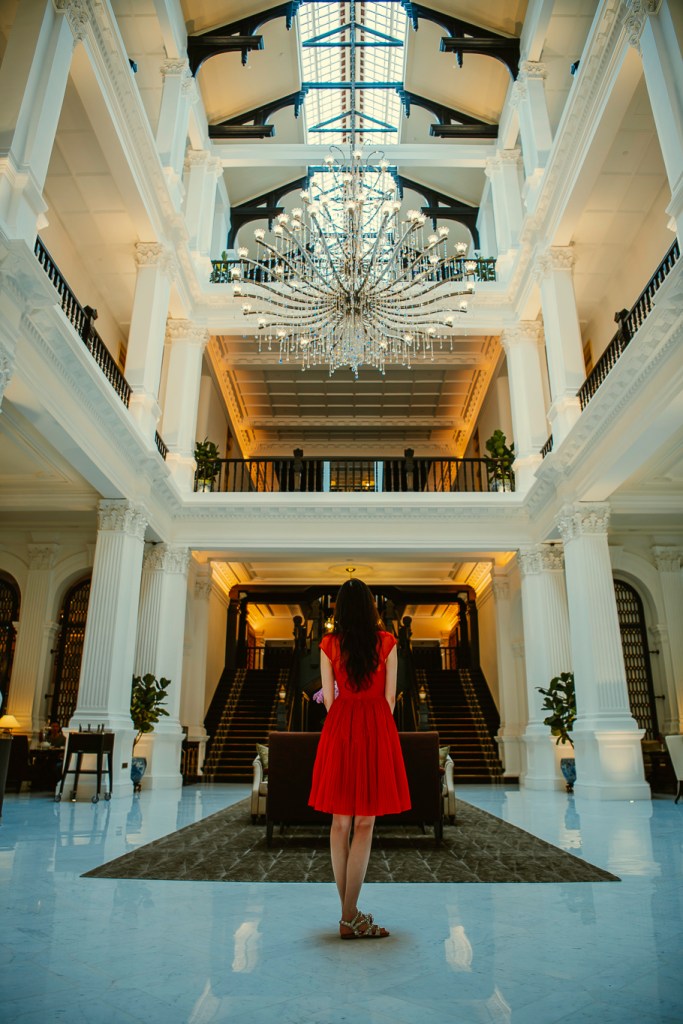
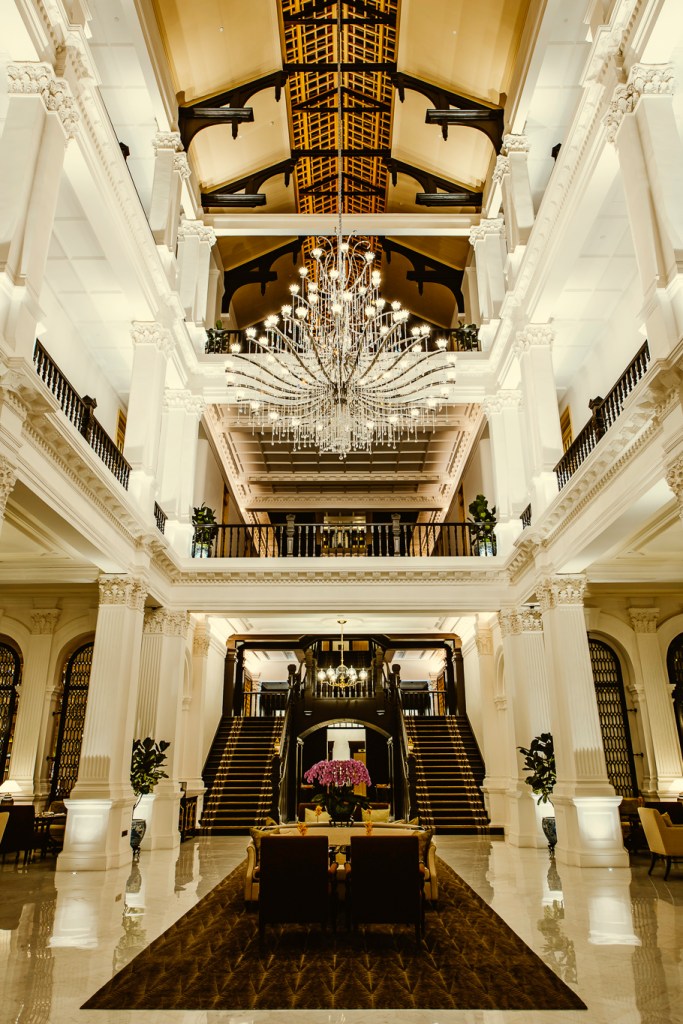
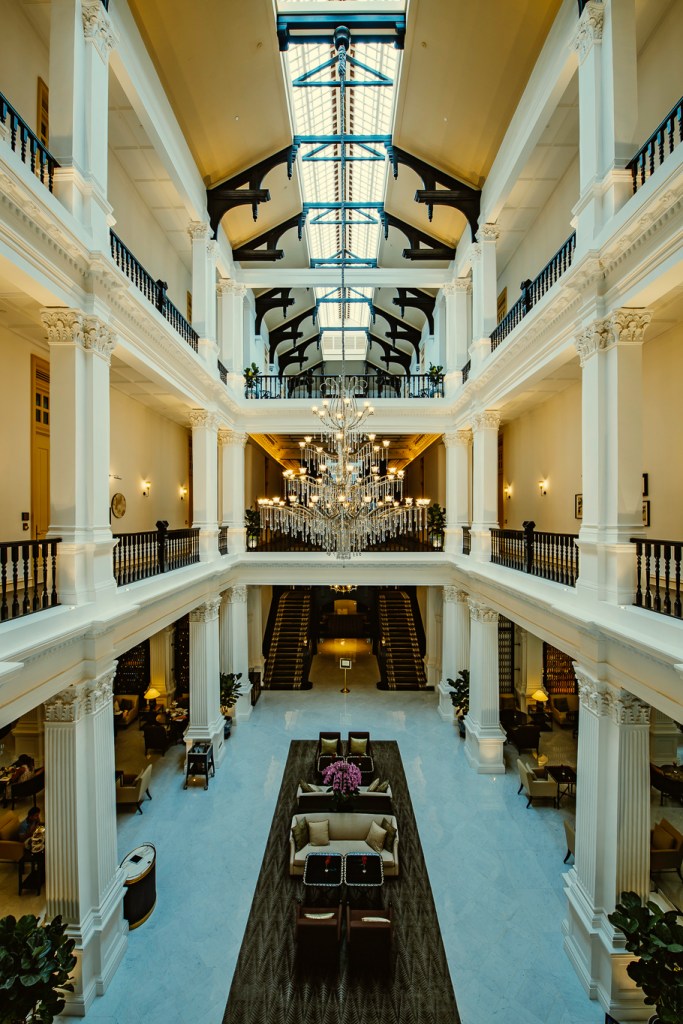
Upon entering the Grand Lobby you will be dazzled by the lavish interior design. The most eye-catching feature is the 1-tonne Praque-made crystal chandelier hanging from the high glass ceiling framed by graceful Victorian pillars and cornices.
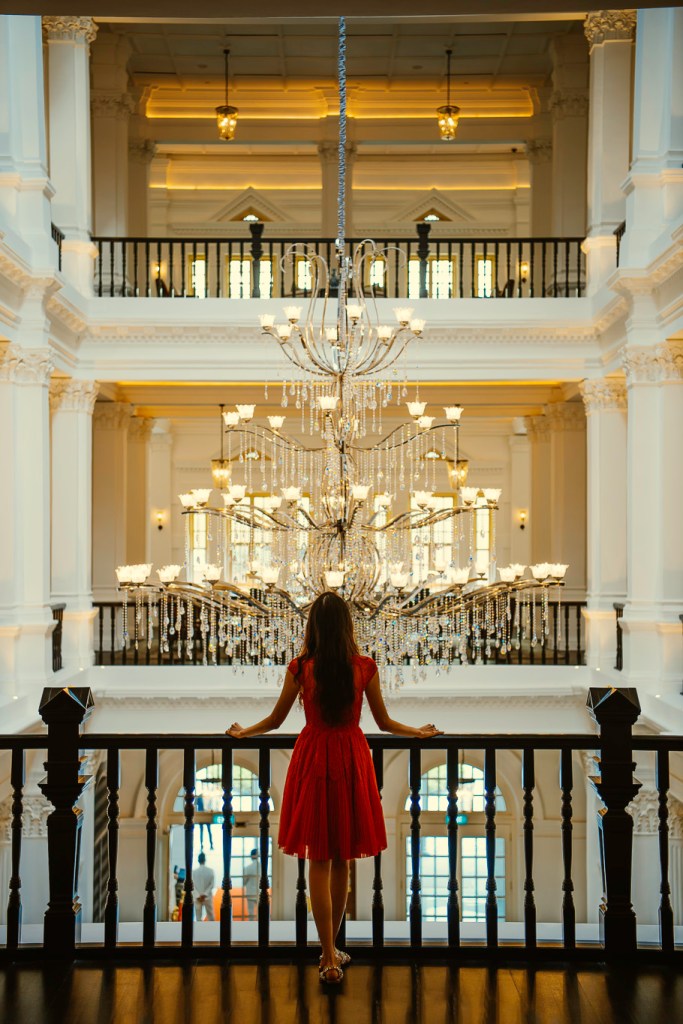
As you’re guided to your suite, you will find that the hotel is truly an oasis of tranquility where you can retreat from the hustle and bustle of the city.
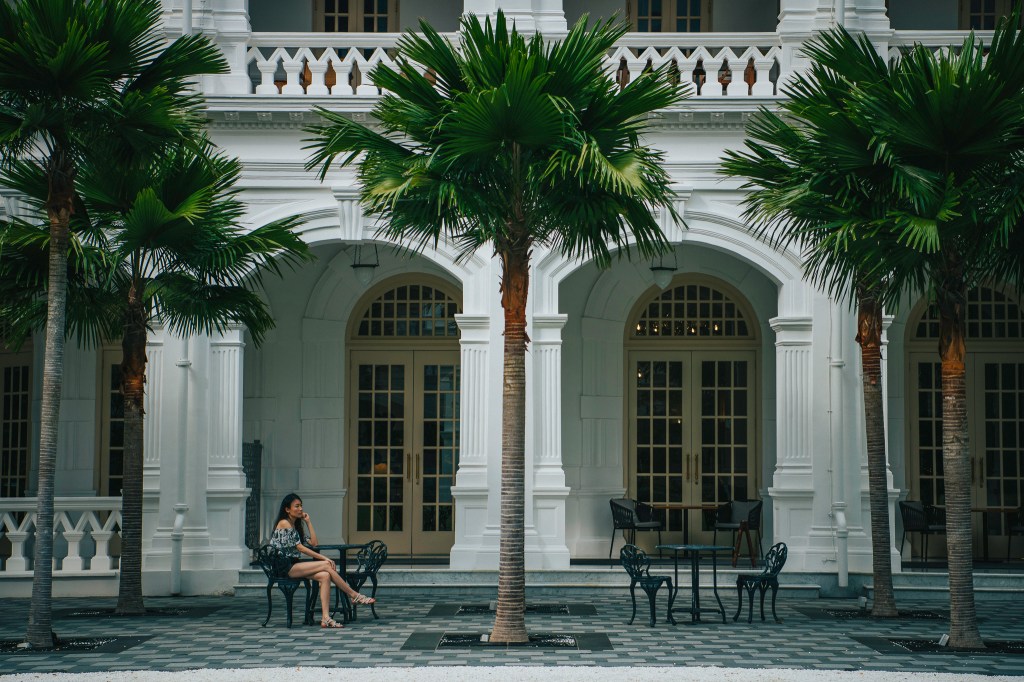
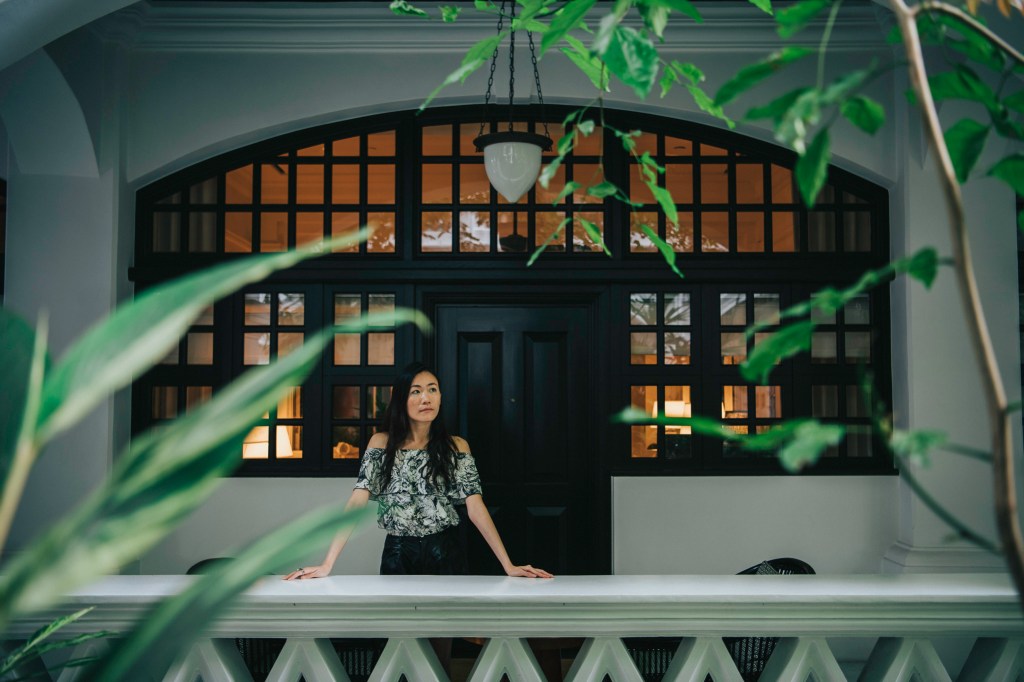
The verandahs of the courtyard suites are lined with an extensive variety of lush greenery and flowers which are not only pretty to look at but also gives the place a strong sense of exclusivity.
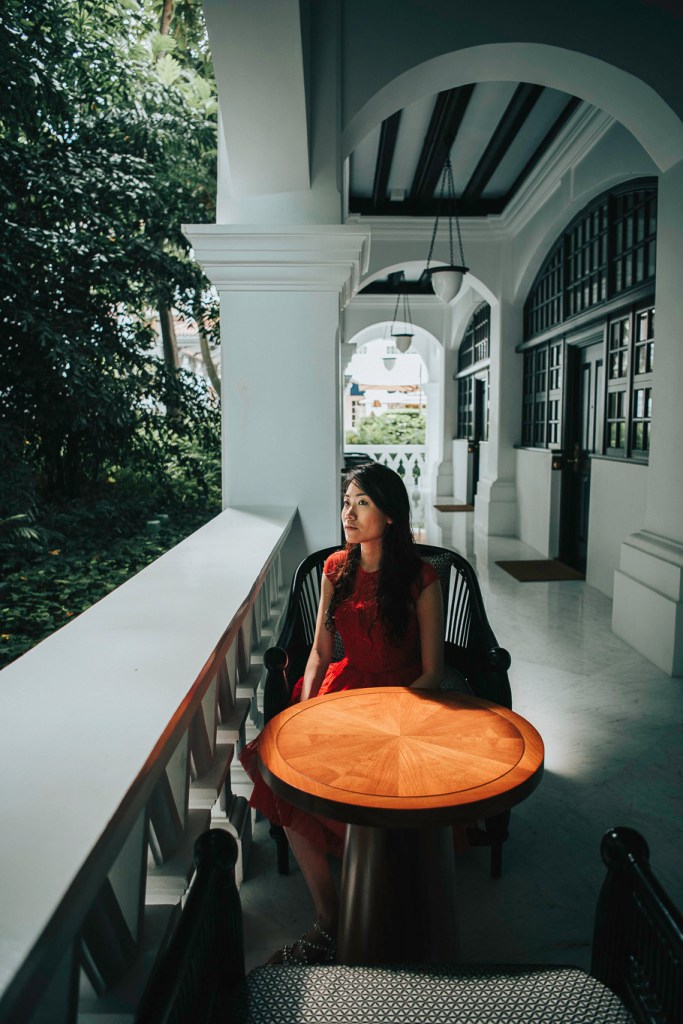
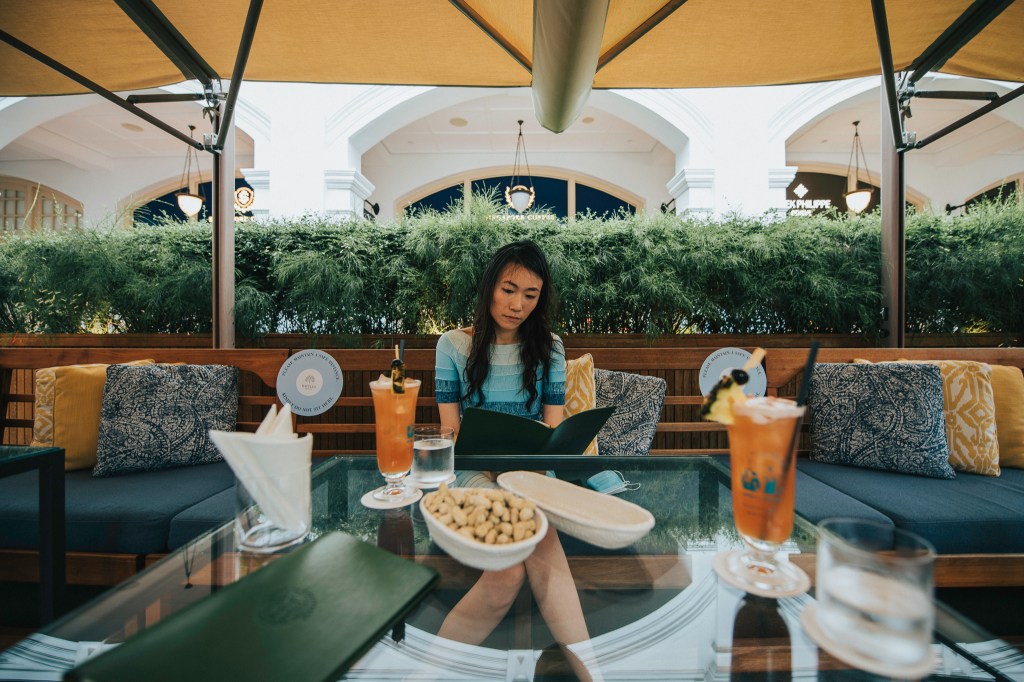
You can also spend a carefree afternoon in the alfresco bar, named the Raffles Courtyard, nestled among some well manicured shrubbery, while sipping on refreshing cocktails and nibbling on some snacks.
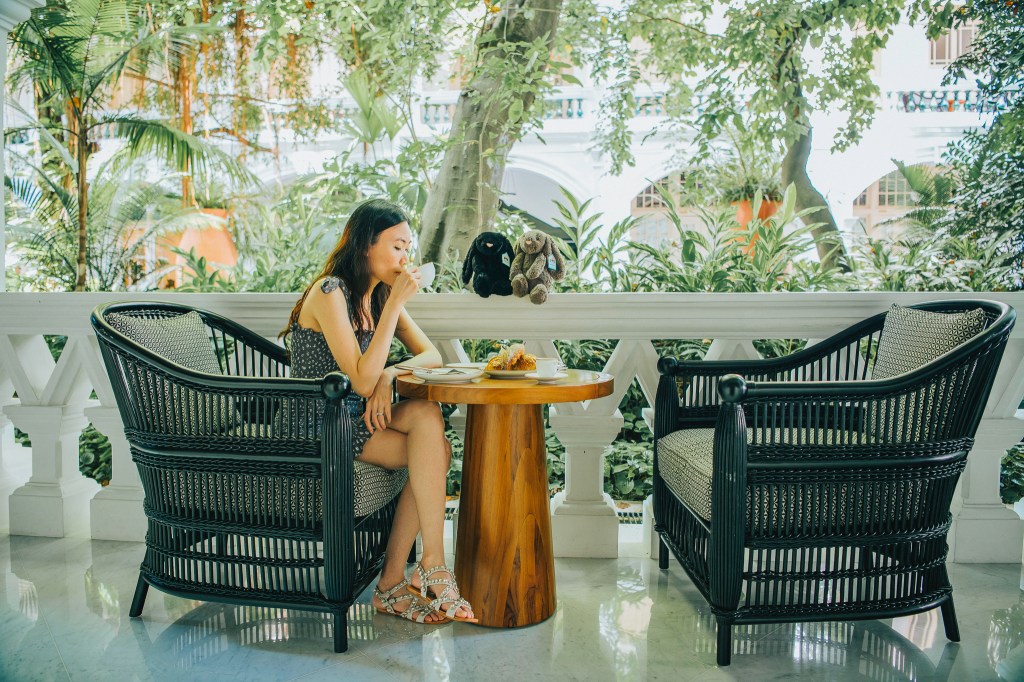
Strolling around the compound, you’re likely to also find yourself at the serene Palm Garden, with a unique cast-iron fountain centerpiece.
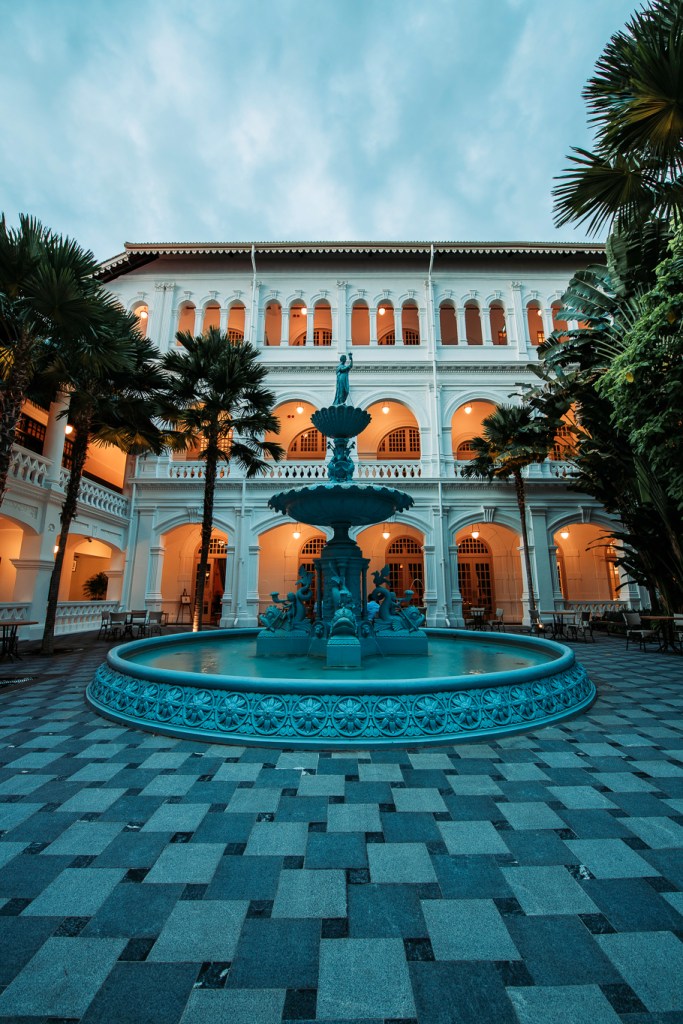
The fountain was built in Glasgow by the Walter Mcfarlane & Company, and displayed at several locations before finding permanent residence in the Raffles Hotel Singapore.
The Palm Garden is currently also an outdoor breakfast area and I can think of no better way to start the day than with a cup of coffee, amid such a beautiful and relaxing ambience.
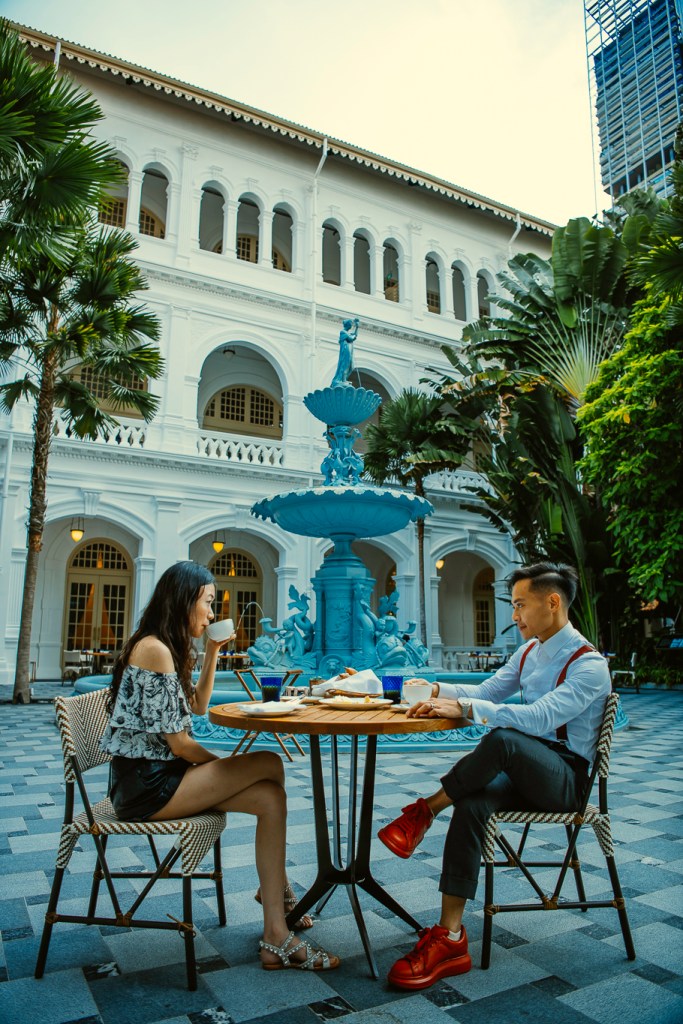
Also, the level of hospitality and service at the hotel remains unrivalled.
Every member of the staff has been trained to not bat an eyelid while accommodating your requests, even when they border on outrageous.
They have managed to maintain the level of luxury for the guests as the hotel is navigating the new rules that they have to comply with due to the global pandemic situation.
The Dining
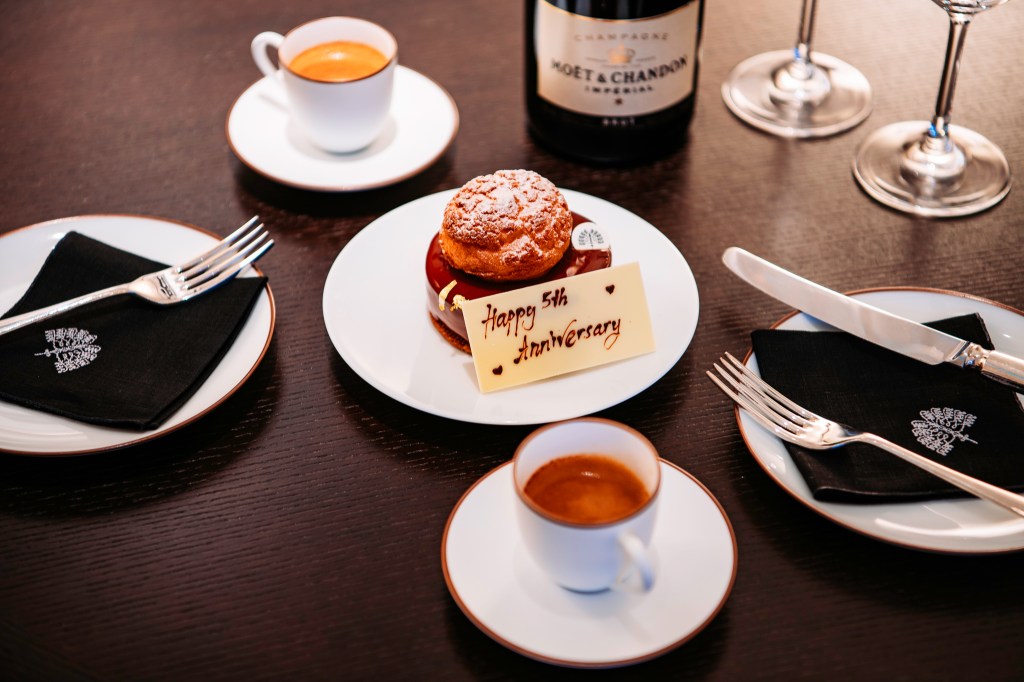
The signature Singapore Sling cocktail was first concocted at the Raffles Hotel Longbar. It is now a well-known drink which can be found even on the menus of far-flung island resorts.
The drink was initially disguised as a ‘juice’ in an era where it wasn’t very becoming for a young lady to be drinking in public.
It is a delicious cocktail which is reminiscent of a holiday fruit cake but really packs a punch.
The Tiffin Room began as a standalone restaurant situated in Raffles Place in 1892 and moved to the Raffles Hotel in 1910. This makes it one of the oldest restaurants in the world and possibly the oldest restaurant in Singapore.
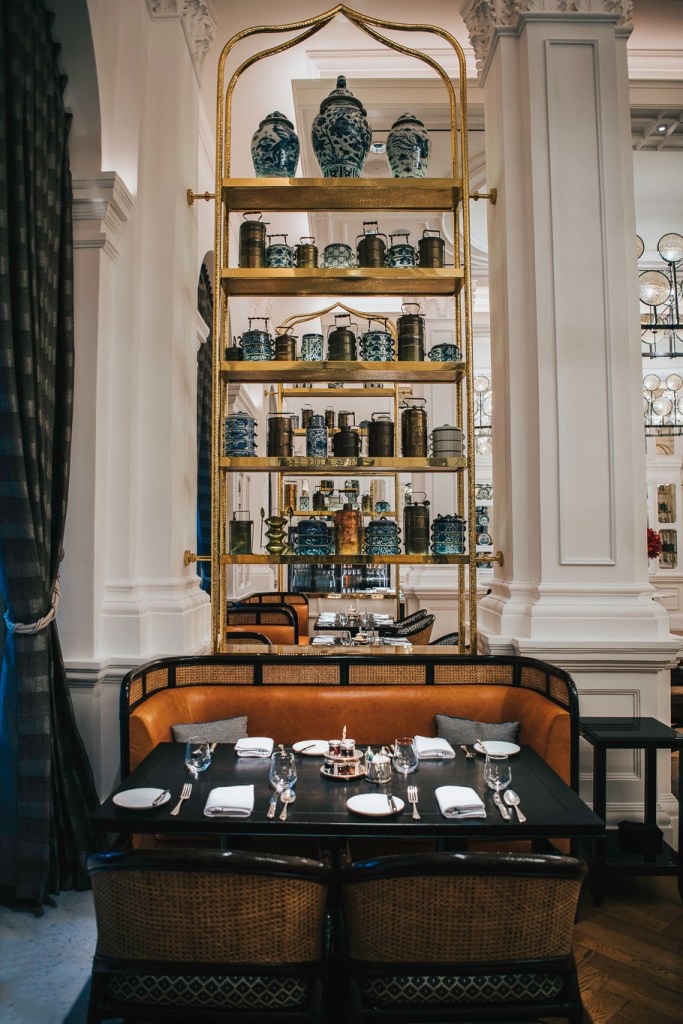
The interior is elegantly designed with beautiful displays of tiffin boxes in different shapes and sizes serving as a fascinating reminder of the origins of the restaurant and hotel in the British Colonial era.
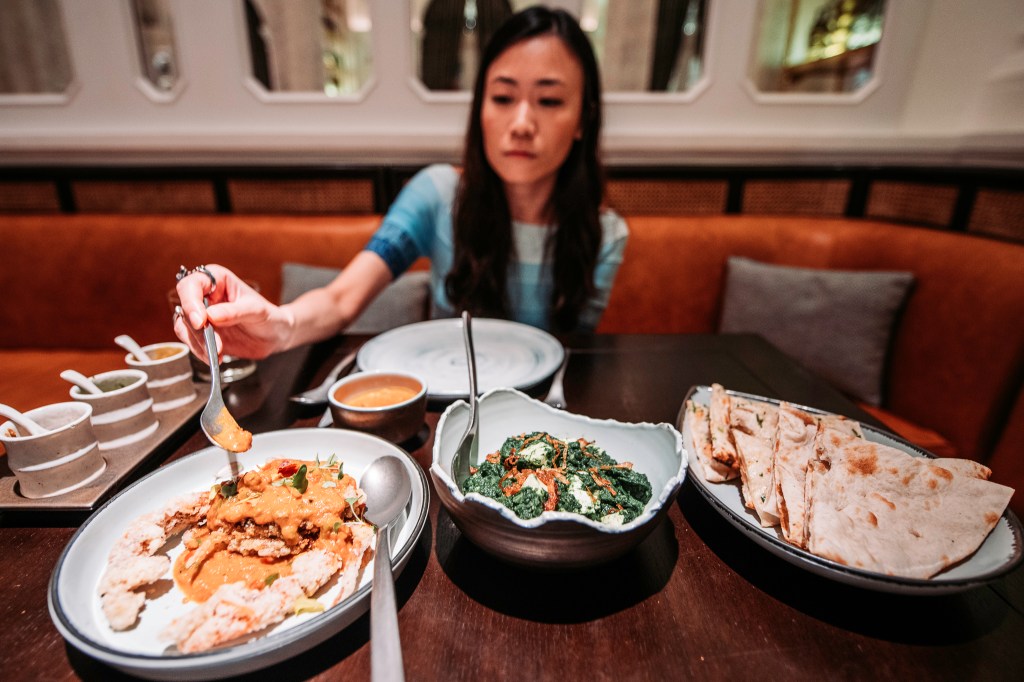
The appetisers and curries offered well balanced flavours and did not compromise on the level of spice which should be present in authentic North Indian cuisine.
The Tiffin Room is also the designated breakfast area for hotel guests.
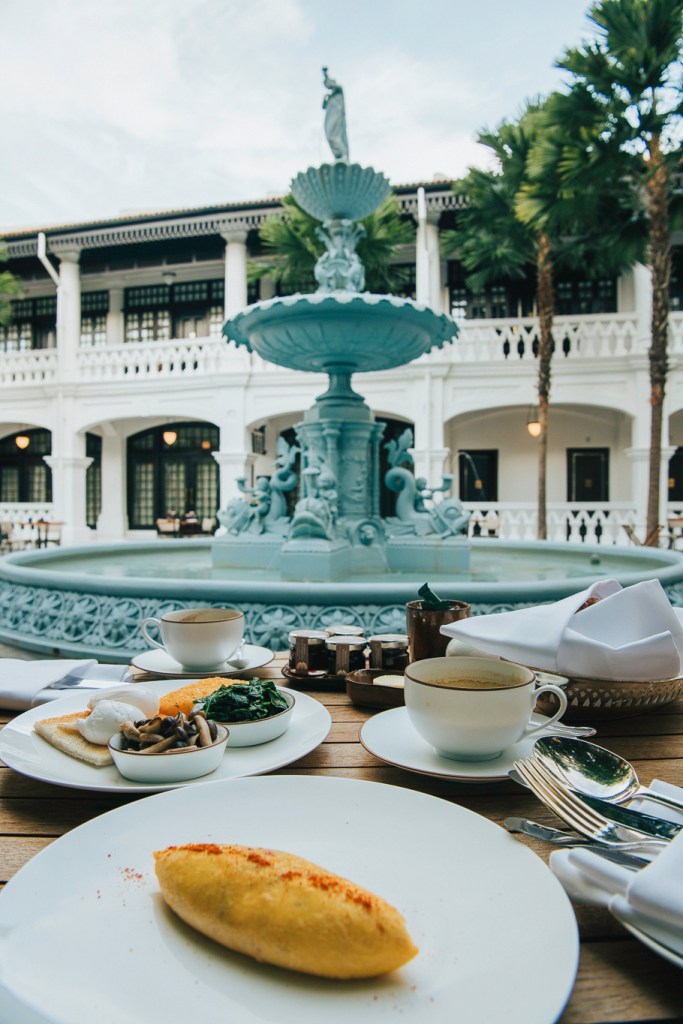
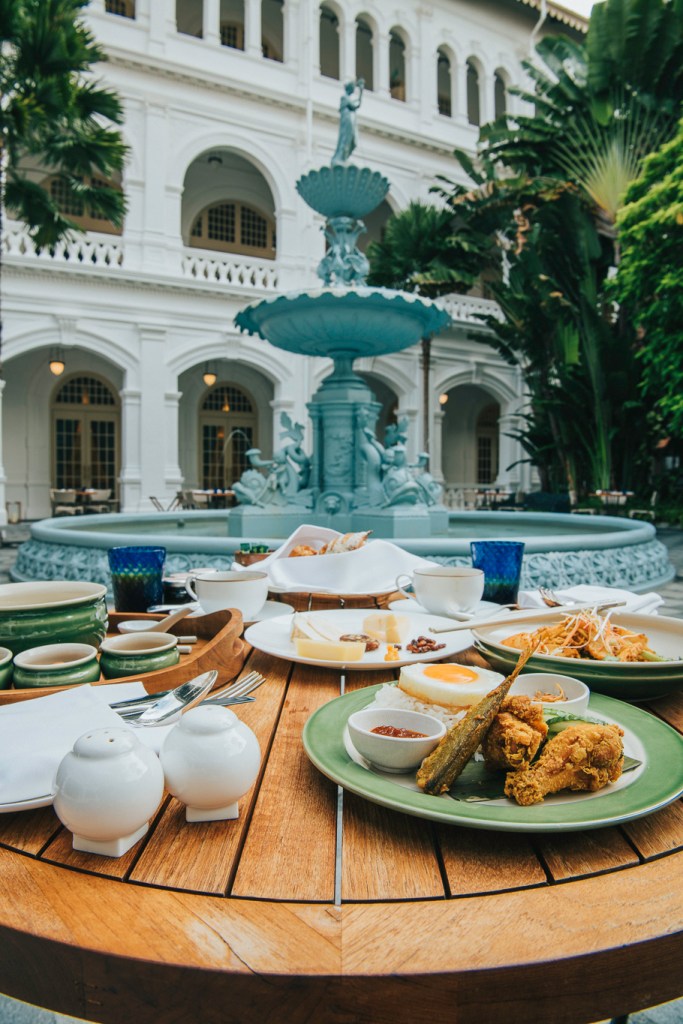
We were initially skeptical about the good reviews we had seen of the Asian food selection from the breakfast buffet menu.
As it turned out, we were truly delighted by the ‘Asian Delights’. It is a fine introduction to Singaporean favourites such as Seafood Mee Goreng (spicy Malay-style wok-fried noodles) and Nasi Lemak (fragrant coconut rice with a generous assortment of side dishes).
Even locals can attest to the quality and authenticity of the more refined rendition of these hawker classics.
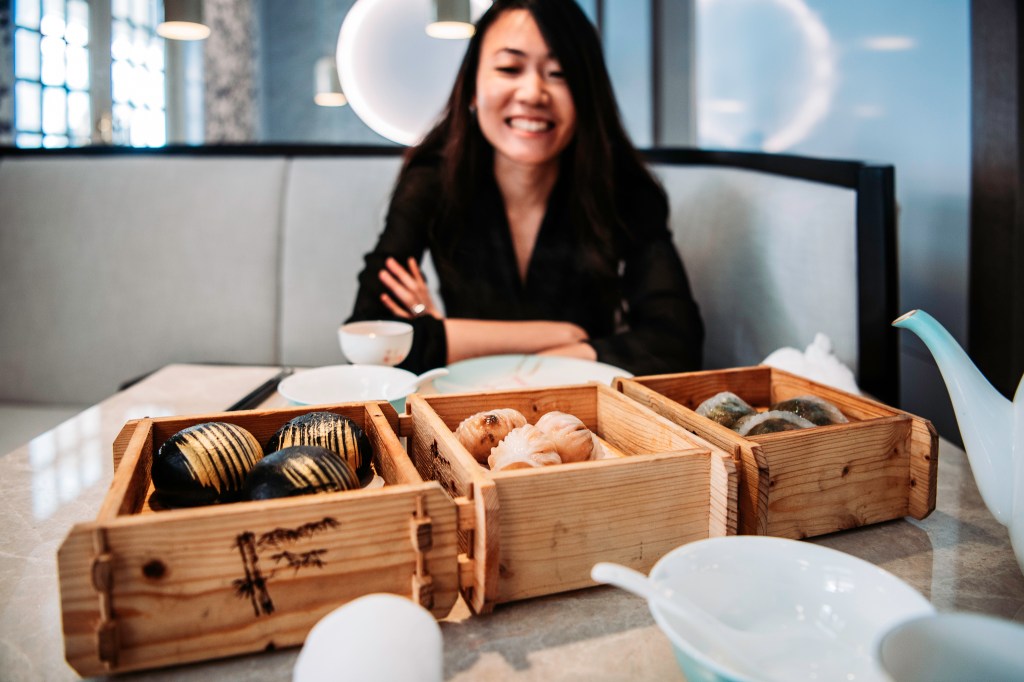
For impeccable Chinese dim sum, 藝 yì by Jereme Leung will not disappoint with their medley of exquisite dumplings.
For a first-class dining experience, head over to La Dame de Pic, helmed by Chef Anne Sophie, one of the handful of female chefs in the world with a three-Michelin-starred restaurant.
Chef Anne-Sophie comes from a illustrious family of renowned chefs who have been refining their craft for over a century, and it seems only natural that she has picked a locale similarly rich in history for her foray into Asia.
Also a must-mention is the BBR by Alain Ducasse. Ducasse is a highly celebrated chef with the most number of Michelin stars at the moment.
The bar is temporarily closed due to the current worldwide pandemic.
But together with the grand old dame herself, who has witnessed the turn of two centuries and weathered many storms, the acclaimed bar will probably ride out the crisis and emerge strong and ready to impress.

 Voyage Grande