
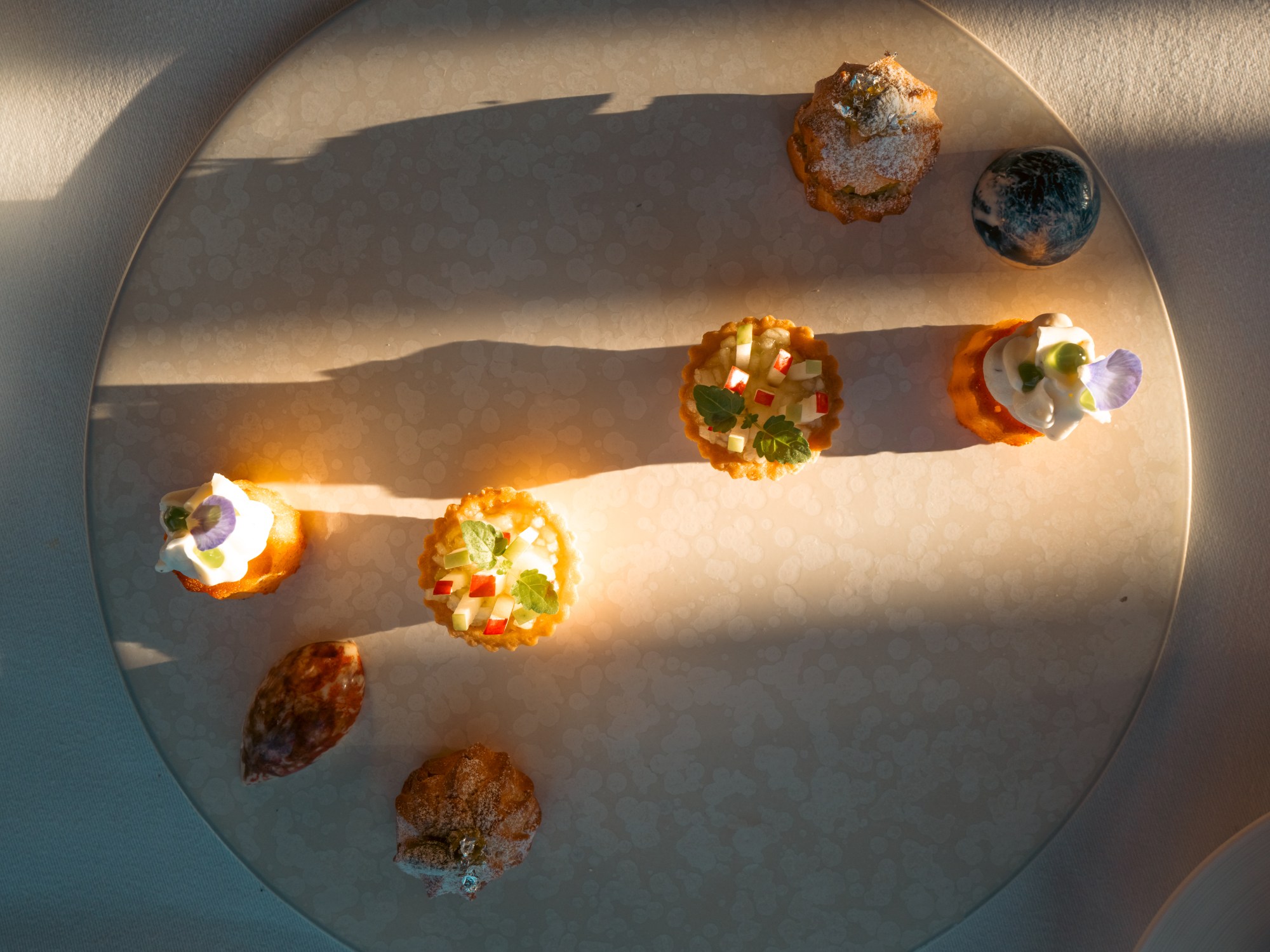
Czech cuisine boasts a rich and flavourful tradition of pastries that reflects the country’s cultural heritage and its love for all things sweet and indulgent. These pastries have been a cornerstone of Czech culinary culture for centuries, offering a delectable glimpse into the heart of the nation.
Rooted in a blend of Slavic and European influences, Czech pastries are a testament to the country’s long history, where recipes have been passed down through generations.
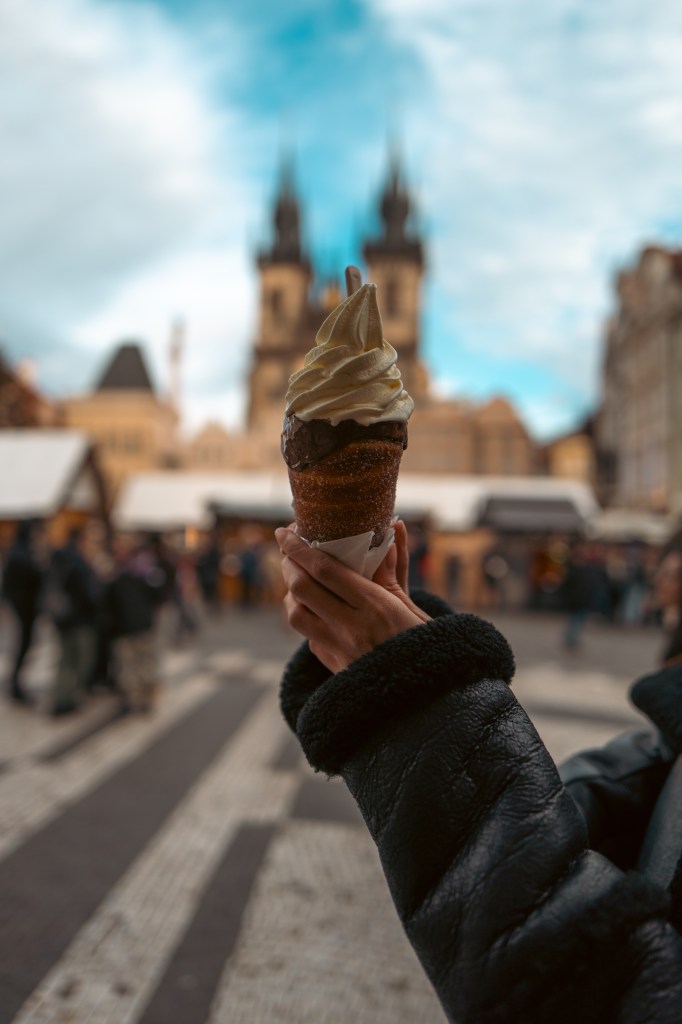
Trdelník, often considered a symbol of Czech pastries by tourists, may come as a surprise to some to discover that it is not a popular choice among Czech locals. It is a sweet, cylindrical pastry made from rolled dough that’s wrapped around a wooden or metal spindle, roasted over an open flame, and coated in sugar, cinnamon, and sometimes nuts.
The reason for its limited popularity among Czech locals can be attributed to its historical and cultural origins. Trdelník has roots in the Slovak and Hungarian culinary traditions. Many Czechs view it as more of a novelty for tourists rather than a pastry they would regularly consume; nevertheless we found it quite interesting and enjoyable.
However, if you’re looking for a more authentic experience, here are the three traditional pastries that we recommend not to miss when you’re in Prague:
Koláč
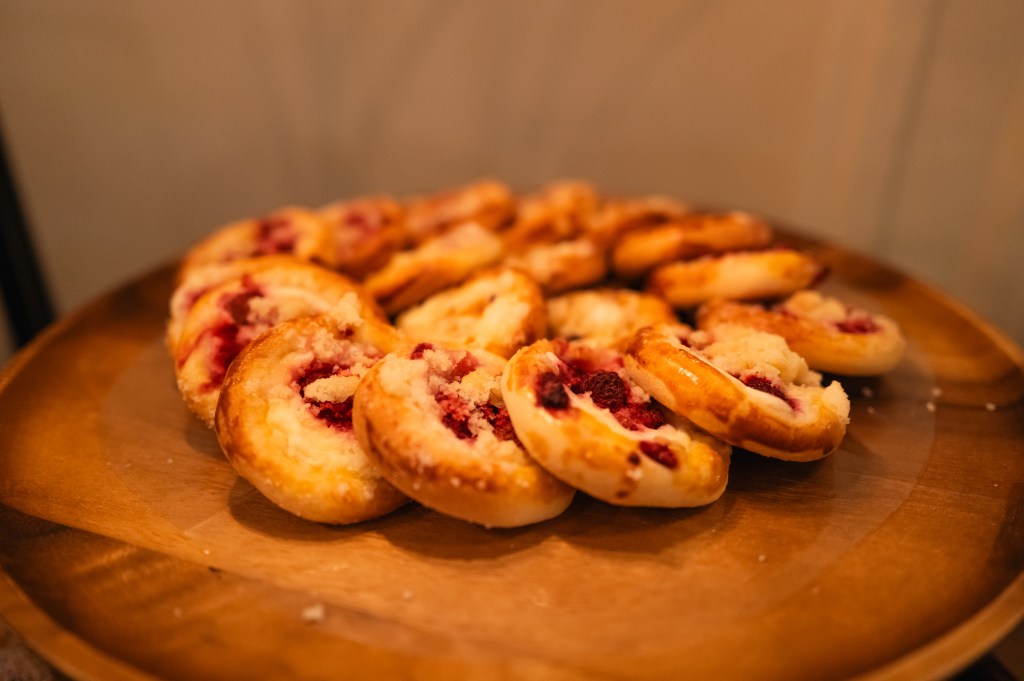
Koláč is a beloved pastry in Czech cuisine. Its origins can be traced to medieval times when it was prepared as an essential part of festive celebrations and significant life events, such as weddings and holidays.
Koláč’s historical significance is deeply rooted in its symbolism – it was often offered as a gesture of goodwill, hospitality, and friendship. This circular pastry, with its intricate, often braided designs, symbolized unity and the eternal circle of life.
Over the years, the recipe for Koláč has evolved, with various regions of the Czechia adding their unique twists to the pastry.
Today, Koláč continues to be an essential part of Czech culinary traditions, both as a delightful treat enjoyed daily and as a cherished symbol of cultural heritage and togetherness.
This delightful pastry has a combination of sweet, fruity, and slightly tangy notes. The key component is the soft, yeast-raised dough, which is subtly sweet and has a tender, airy texture. The filling often takes center stage, with variations that can include fruit preserves such as apricot, plum, or strawberry, which provide a burst of fruity sweetness.
In some cases, you might encounter Koláč with a cheese or poppy seed filling, which adds a creamy or nutty element to the taste. A hint of cinnamon or spices can further enhance the flavour, creating a comforting, warm undertone.
Bábovka
Bábovka, also known as “Bundt cake” in English, holds a special place in Czech culture and cuisine due to its deep-rooted historical and cultural importance. This traditional cake has been a beloved staple at both Czech family gatherings and casual coffee breaks for generations. It embodies the essence of home-cooked comfort, often enjoyed in the company of loved ones.
The cultural significance of Bábovka lies in its role as a symbol of warmth, hospitality, and the bonds of family and friendship. It’s a cake that’s lovingly baked by grandmothers and mothers, passed down through generations, and cherished for its familiar and nostalgic taste. Bábovka is an integral part of Czech baking heritage, and the process of making it is often a shared experience, where family recipes are treasured and safeguarded.
This cake is not just about the flavors and textures but also about the memories and emotions it evokes. Its simplicity and the fact that it is usually served plain or with a light dusting of powdered sugar make it an embodiment of Czech culinary tradition that values modesty and the true essence of homemade food.
Bábovka boasts a flavour that’s comforting, subtly sweet, and rich in warm, aromatic notes. The taste profile is characterised by the gentle sweetness of vanilla and a buttery richness that’s not overwhelming. It’s often accented with a hint of lemon zest or even a touch of rum, which adds depth to its flavour. The exterior of the cake may develop a delicate, slightly caramelized crust, providing a pleasant contrast to the soft, moist interior. When sliced, the crumb is tender and inviting, offering a delightful, homely aroma.
Medovnìk
Medovnìk, a luscious honey cake, plays a significant role in Czech cuisine and culture. Its soft honey-infused layers, interlaced with creamy filling, symbolize the sweetness of togetherness and shared moments. The preparation is a labor of love, often taking time and patience, which reflects the value placed on preserving culinary heritage.
Bonus:
Jablecny Zavin
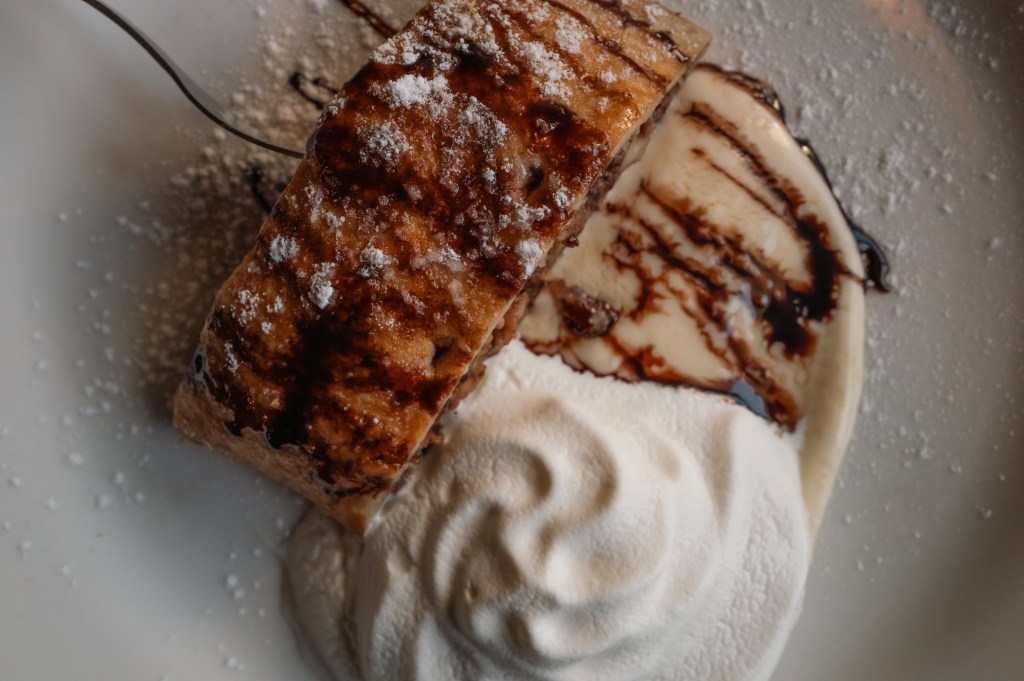
The Czech version of the famous European strudel, known as “Jablecny Zavin” in Czechia, is a delectable pastry that reflects the country’s own twist on this beloved dessert. While the Austrian strudel is perhaps the most famous, Czech strudel stands as a unique and delicious variation.
Czech Strudel typically features a flaky, paper-thin pastry dough, similar to its Austrian counterpart, but the fillings are where the Czech version shines with distinct flavours. While apple strudel is quite popular, Czech Strudel often features a wider array of fruit fillings, including cherries, plums, apricots, and even poppy seeds. These fillings are often sweetened with sugar, combined with cinnamon or spices, and rolled up in the thin dough to create a delightful, fruit-filled pillow.
One significant difference lies in the dough’s preparation. Czech Strudel dough is often made from a combination of flour, water, and a bit of oil, and it’s stretched to extreme thinness by hand, creating those delicate layers that make it so irresistible.
Exploring these treats isn’t just a culinary adventure but a journey into Czech heritage. Whether in the Old Town Square or a cozy café, savour these delights to create lasting memories in the city of a hundred spires.
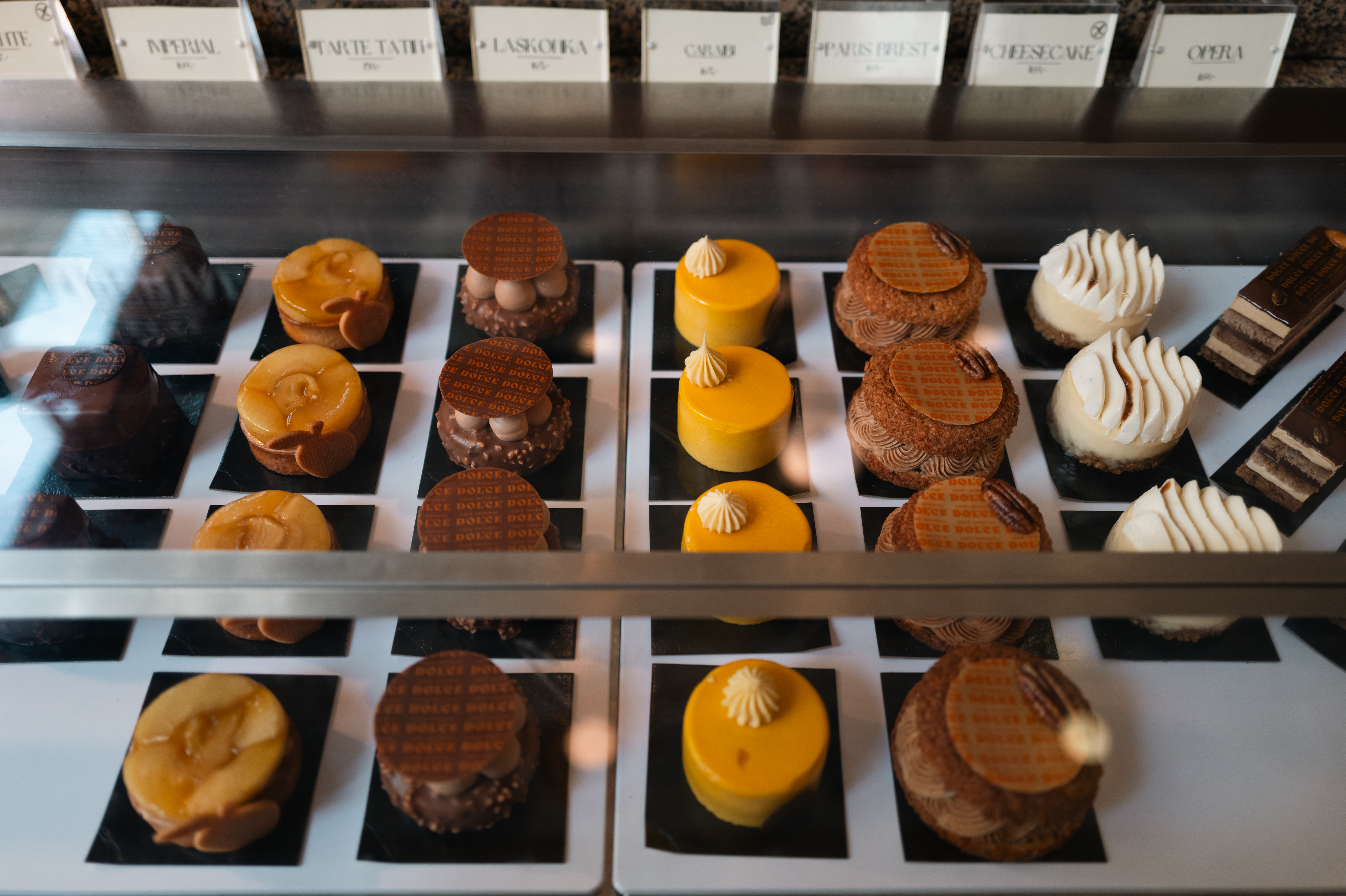
Prague’s desserts also feature French influences, adding an international twist and complexity to the sweetness. So, when savouring the delights of Prague, be sure to leave some room in your stomach for these exquisite treats!

 Voyage Grande